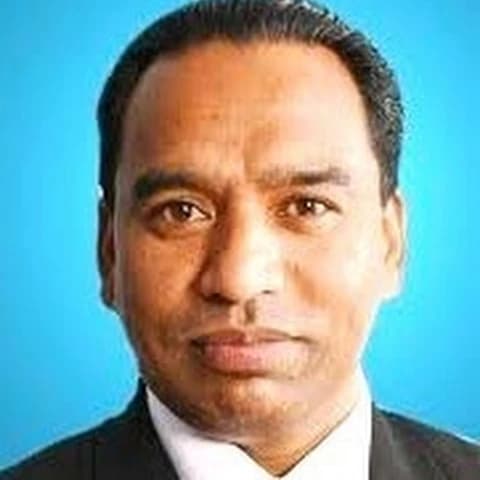
Rio de Janeiro Olympics: Brazil requested to Pakistan for security assistance during the Olympics games.
By.Sufi Haroon
Islamabad –First time in the history of the Olympics games the Pakistan Army / ISI is going to provide security assistance during the Rio de Janeiro Olympics will take place from 5 to 21 August 2016 and more than 10,500 athletes from 206 National Olympic Committees (NOCs) will take part in this sporting event. The games will feature 28 sports at Brazil. The Brazil has been requested during the Rio Olympics. Sports World PK com receved the information that the Brazilian authority has been approached and requested at the “Order of Merit” awarded high military honors ceremony. The Pakistan army is the vital part of international peace keeping services. The Brazilian Defense Minister met Chief of the Army Staff General Raheel Sharif and requested the security through Pakistan top security agency ISI. The Brazilian Security personnel and top military intelligence officials is associated with Olympic Games at Rio de Janeiro. The Brazilian Defense Ministry’s Chief already declared Pak Army /ISI as the world’s best intelligence agency. More over that a Brazilian’s government watchdog said in an interview that “flaws” in Brazil’s border security is a “big concern” heading toward next year’s Olympics in Rio de Janeiro.
Augusto Nardes, a government auditor, told that police and military need better ways to control the country’s 17,000 kilometer-long (10,500-mile) border, which touches 10 countries and runs through remote areas of the Amazon jungle.“We are aware that we have seven months to correct (the problem),” Nardes said, with security issues for the Olympics on the rise following the deadly attacks almost two weeks ago in Paris.However, Public Security Secretary Regina Miki dismissed those concerns.Miki said Brazil’s policing was also questioned before the World Cup in 2014, when thousands of police and soldiers were deployed to keep order.“The Olympics in Rio will be held in total security,” she said.Andrei Rodrigues, a former bodyguard for President Dilma Rousseff and since 2013 managing Brazil’s security for special events, said the Paris attacks did not change Olympic security planning.“Brazil is now a reference in big events, we have know-how,” he said.However, independent security consultant Paulo Storani disagreed.“Brazil’s public security plan for the Olympics is a total improvisation,” he told The Associated Press. “There are no deadlines for things to happen. It is hard to know who is responsible for what.”As in most Olympics, Brazil is working with many countries, including France and the United States, to improve security. Olympic Games Executive Director Christophe Dubi, in an interview with The Associated Press, said Brazil’s experience of holding last year’s World Cup was an advantage. But he said security experts from previous Olympics, who have been regularly visiting Rio, would return in the next few months.“The idea would be to review again the plans in detail and see, considering the overall situation, if some other extra measures could be implemented.”He did not offer details.Rio’s top state security official, Jose Mariano Beltrame, said last week that preventing terrorism has “always been the No. 1 priority” in Olympic planning, even though Brazil does not have a history of attacks.The more visible problem in Rio is endemic street crime, with frequent assaults in high-profile tourist spots like Copacabana and Ipanema beaches.Much of the violence takes place in sprawling hillside slums, where police are outnumbered by armed gangs. Some of these areas border Rio’s famous beach areas in the south of the city, which will host several Olympic events.Beltrame said there would be 60,000-65,000 police on the streets during the Aug. 5-21 Olympics, with a contingency force of another 15,000 troops awaiting deployment in case of an emergency. Several months ago Beltrame said an extra 30,000 might be needed to provide “ideal” security.
More over that the 2016 Summer Olympics are commonly known as Rio 2016, as this competition will be held in Rio de Janeiro, Brazil. Since the award of the 2016 Olympics to Rio de Janeiro, the city’s crime problems have received more attention. A police helicopter was shot down over a favela during one of the city’s many drug wars, and the pilot was killed in the incident. Rio’s mayor has admitted that there are “big issues” facing the city in securing the Games from violence. However, he also said that such concerns and issues were presented to the IOC throughout the bidding process. The governor of the state of Rio de Janeiro also highlighted the fact that London faced security problems, with a terrorist attack occurring on the day following the IOC session that chose the city to host the 2012 Olympic Games.The IOC, however, has expressed optimism regarding the ability of the city and the nation of Brazil to address these concerns, saying that seven years is enough time for Rio de Janeiro to clean up its crime problem. IOC spokesman Mark Adams stated in an interview that “we have confidence in their capacity to deliver a safe Games in seven years. Security is of course a very important aspect of any Olympic Games no matter where it is in the world. This is of course entirely under the national, regional and city authorities. Luiz Inácio Lula da Silva, former president of Brazil, noted that the city has hosted other high-profile events without major incidents, for example the 2007 Pan American Games. Rio de Janeiro is planning to pacify local neighborhoods, or favelas. Community-based Police Pacification Units (UPPs) will be used to build trust in individual communities through the use of street patrols and civic work. Moreover, The Regional Institute of Public Safety reported that the homicide rate of Rio de Janeiro for the first five months of 2012 was at its lowest in the past 21 years, with 10.9 homicides for every 100,000 habitants. Nonetheless, despite the decline in homicides and human rights abuses, Human Rights Watch urged Brazil to investigate extrajudicial killings. The host city of Rio de Janeiro was announced at the 121st Session held in Copenhagen, Denmark, on 2 October 2009. The other finalists were Madrid, Spain; Chicago, United States; and Tokyo, Japan. Rio will become the first South American city to host the Summer Olympics, the second city in Latin America to host the event after Mexico City in 1968, and the first since 2000 to be held in the Hemisphere. The games will take place from 5 to 21 August 2016 and more than 10,500 athletes from 206 National Olympic Committees (NOCs) will take part in this sporting event. The games will feature 28 sports — including rugby sevens and golf, which were added by the International Olympic Committee in 2009.These sporting events will take place across 33 venues spread across four regions of the city namely – Barra, Copacabana, Deodoro, andMaracanã. The bidding process for the 2016 Summer Olympic Games was officially launched on 16 May 2007. The first step for each city was to submit an initial application to the International Olympic Committee (IOC) by 13 September 2007, confirming their intention to bid. Completed official bid files, containing answers to a 25-question IOC form, were to be submitted by each applicant city by 14 January 2008. Four candidate cities were chosen for the shortlist on 4 June 2008: Chicago, Madrid, Rio de Janeiro and Tokyo (which hosted the1964 Summer Olympics and will host again in 2020). The IOC did not promote Doha to the Candidature phase, despite scoring higher than selected candidate city Rio de Janeiro, due to their intent of hosting the Olympics in October, outside of the IOC’s sporting calendar. Prague and Baku also failed to make the cut. Nawal El Moutawakel of Morocco headed the 10-member Evaluation Commission, having also chaired the evaluation commission for the 2012 Summer Olympics bids. The commission made on-site inspections in the second quarter of 2009. They issued a comprehensive technical appraisal for IOC members on 2 September, one month before elections. Many restrictions are in place designed to prevent bidding cities from communicating with or influencing directly the 115 voting members. Cities may not invite any IOC member to visit nor may they send anything that could be construed as a gift. Nonetheless, bidding cities invest large sums in their PR and media programs in an attempt to indirectly influence the IOC members by garnering domestic support, support from sports media and general international media.The then-President Lula (center with flag), Brazilian footballer Pelé(hugging) and then-governor of the state of Rio de Janeiro Sérgio Cabral(right) when, in 2009, Rio was announced as host. The final voting was held on 2 October 2009, in Copenhagen with Chicago and Rio de Janeiro perceived as favorites to land the games. Chicago and Tokyo were eliminated after the first and second rounds of voting, respectively, while Rio de Janeiro took a significant lead over Madrid heading into the final round. The lead held and Rio de Janeiro was announced as host of 2016 Summer Olympics. Failed bids from other South American cities include Buenos Aires(1936, 1956, 1968, 2004), Cali (1976, 1988, 2004), and Brasília, which withdrew during the 2000 Summer Olympic bidding process.
Rio de Janeiro Olympics: Brazil requested to Pakistan for security assistance during the Olympics games. By.Sufi Haroon Islamabad –First time in the history of the Olympics games the Pakistan Army / ISI is going to provide security assistance during the Rio de Janeiro Olympics will take place from 5 to 21 August 2016 and more than 10,500 athletes from 206 National Olympic Committees (NOCs) will take part in this sporting event. The games will feature 28 sports at Brazil. The Brazil has been requested during the Rio Olympics. Sports World PK com receved the information that the Brazilian authority has been approached and requested at the “Order of Merit” awarded high military honors ceremony. The Pakistan army is the vital part of international peace keeping services. The Brazilian Defense Minister met Chief of the Army Staff General Raheel Sharif and requested the security through Pakistan top security agency ISI. The Brazilian Security personnel and top military intelligence officials is associated with Olympic Games at Rio de Janeiro. The Brazilian Defense Ministry’s Chief already declared Pak Army /ISI as the world’s best intelligence agency. More over that a Brazilian’s government watchdog said in an interview that “flaws” in Brazil’s border security is a “big concern” heading toward next year’s Olympics in Rio de Janeiro. Augusto Nardes, a government auditor, told that police and military need better ways to control the country’s 17,000 kilometer-long (10,500-mile) border, which touches 10 countries and runs through remote areas of the Amazon jungle.“We are aware that we have seven months to correct (the problem),” Nardes said, with security issues for the Olympics on the rise following the deadly attacks almost two weeks ago in Paris.However, Public Security Secretary Regina Miki dismissed those concerns.Miki said Brazil’s policing was also questioned before the World Cup in 2014, when thousands of police and soldiers were deployed to keep order.“The Olympics in Rio will be held in total security,” she said.Andrei Rodrigues, a former bodyguard for President Dilma Rousseff and since 2013 managing Brazil’s security for special events, said the Paris attacks did not change Olympic security planning.“Brazil is now a reference in big events, we have know-how,” he said.However, independent security consultant Paulo Storani disagreed.“Brazil’s public security plan for the Olympics is a total improvisation,” he told The Associated Press. “There are no deadlines for things to happen. It is hard to know who is responsible for what.”As in most Olympics, Brazil is working with many countries, including France and the United States, to improve security. Olympic Games Executive Director Christophe Dubi, in an interview with The Associated Press, said Brazil’s experience of holding last year’s World Cup was an advantage. But he said security experts from previous Olympics, who have been regularly visiting Rio, would return in the next few months.“The idea would be to review again the plans in detail and see, considering the overall situation, if some other extra measures could be implemented.”He did not offer details.Rio’s top state security official, Jose Mariano Beltrame, said last week that preventing terrorism has “always been the No. 1 priority” in Olympic planning, even though Brazil does not have a history of attacks.The more visible problem in Rio is endemic street crime, with frequent assaults in high-profile tourist spots like Copacabana and Ipanema beaches.Much of the violence takes place in sprawling hillside slums, where police are outnumbered by armed gangs. Some of these areas border Rio’s famous beach areas in the south of the city, which will host several Olympic events.Beltrame said there would be 60,000-65,000 police on the streets during the Aug. 5-21 Olympics, with a contingency force of another 15,000 troops awaiting deployment in case of an emergency. Several months ago Beltrame said an extra 30,000 might be needed to provide “ideal” security. More over that the 2016 Summer Olympics are commonly known as Rio 2016, as this competition will be held in Rio de Janeiro, Brazil. Since the award of the 2016 Olympics to Rio de Janeiro, the city’s crime problems have received more attention. A police helicopter was shot down over a favela during one of the city’s many drug wars, and the pilot was killed in the incident. Rio’s mayor has admitted that there are “big issues” facing the city in securing the Games from violence. However, he also said that such concerns and issues were presented to the IOC throughout the bidding process. The governor of the state of Rio de Janeiro also highlighted the fact that London faced security problems, with a terrorist attack occurring on the day following the IOC session that chose the city to host the 2012 Olympic Games.The IOC, however, has expressed optimism regarding the ability of the city and the nation of Brazil to address these concerns, saying that seven years is enough time for Rio de Janeiro to clean up its crime problem. IOC spokesman Mark Adams stated in an interview that “we have confidence in their capacity to deliver a safe Games in seven years. Security is of course a very important aspect of any Olympic Games no matter where it is in the world. This is of course entirely under the national, regional and city authorities. Luiz Inácio Lula da Silva, former president of Brazil, noted that the city has hosted other high-profile events without major incidents, for example the 2007 Pan American Games. Rio de Janeiro is planning to pacify local neighborhoods, or favelas. Community-based Police Pacification Units (UPPs) will be used to build trust in individual communities through the use of street patrols and civic work. Moreover, The Regional Institute of Public Safety reported that the homicide rate of Rio de Janeiro for the first five months of 2012 was at its lowest in the past 21 years, with 10.9 homicides for every 100,000 habitants. Nonetheless, despite the decline in homicides and human rights abuses, Human Rights Watch urged Brazil to investigate extrajudicial killings. The host city of Rio de Janeiro was announced at the 121st Session held in Copenhagen, Denmark, on 2 October 2009. The other finalists were Madrid, Spain; Chicago, United States; and Tokyo, Japan. Rio will become the first South American city to host the Summer Olympics, the second city in Latin America to host the event after Mexico City in 1968, and the first since 2000 to be held in the Hemisphere. The games will take place from 5 to 21 August 2016 and more than 10,500 athletes from 206 National Olympic Committees (NOCs) will take part in this sporting event. The games will feature 28 sports — including rugby sevens and golf, which were added by the International Olympic Committee in 2009.These sporting events will take place across 33 venues spread across four regions of the city namely – Barra, Copacabana, Deodoro, andMaracanã. The bidding process for the 2016 Summer Olympic Games was officially launched on 16 May 2007. The first step for each city was to submit an initial application to the International Olympic Committee (IOC) by 13 September 2007, confirming their intention to bid. Completed official bid files, containing answers to a 25-question IOC form, were to be submitted by each applicant city by 14 January 2008. Four candidate cities were chosen for the shortlist on 4 June 2008: Chicago, Madrid, Rio de Janeiro and Tokyo (which hosted the1964 Summer Olympics and will host again in 2020). The IOC did not promote Doha to the Candidature phase, despite scoring higher than selected candidate city Rio de Janeiro, due to their intent of hosting the Olympics in October, outside of the IOC’s sporting calendar. Prague and Baku also failed to make the cut. Nawal El Moutawakel of Morocco headed the 10-member Evaluation Commission, having also chaired the evaluation commission for the 2012 Summer Olympics bids. The commission made on-site inspections in the second quarter of 2009. They issued a comprehensive technical appraisal for IOC members on 2 September, one month before elections. Many restrictions are in place designed to prevent bidding cities from communicating with or influencing directly the 115 voting members. Cities may not invite any IOC member to visit nor may they send anything that could be construed as a gift. Nonetheless, bidding cities invest large sums in their PR and media programs in an attempt to indirectly influence the IOC members by garnering domestic support, support from sports media and general international media.The then-President Lula (center with flag), Brazilian footballer Pelé(hugging) and then-governor of the state of Rio de Janeiro Sérgio Cabral(right) when, in 2009, Rio was announced as host. The final voting was held on 2 October 2009, in Copenhagen with Chicago and Rio de Janeiro perceived as favorites to land the games. Chicago and Tokyo were eliminated after the first and second rounds of voting, respectively, while Rio de Janeiro took a significant lead over Madrid heading into the final round. The lead held and Rio de Janeiro was announced as host of 2016 Summer Olympics. Failed bids from other South American cities include Buenos Aires(1936, 1956, 1968, 2004), Cali (1976, 1988, 2004), and Brasília, which withdrew during the 2000 Summer Olympic bidding process.

Asghar Ali Mubarak
Related coverage
More reports you may want to read next.
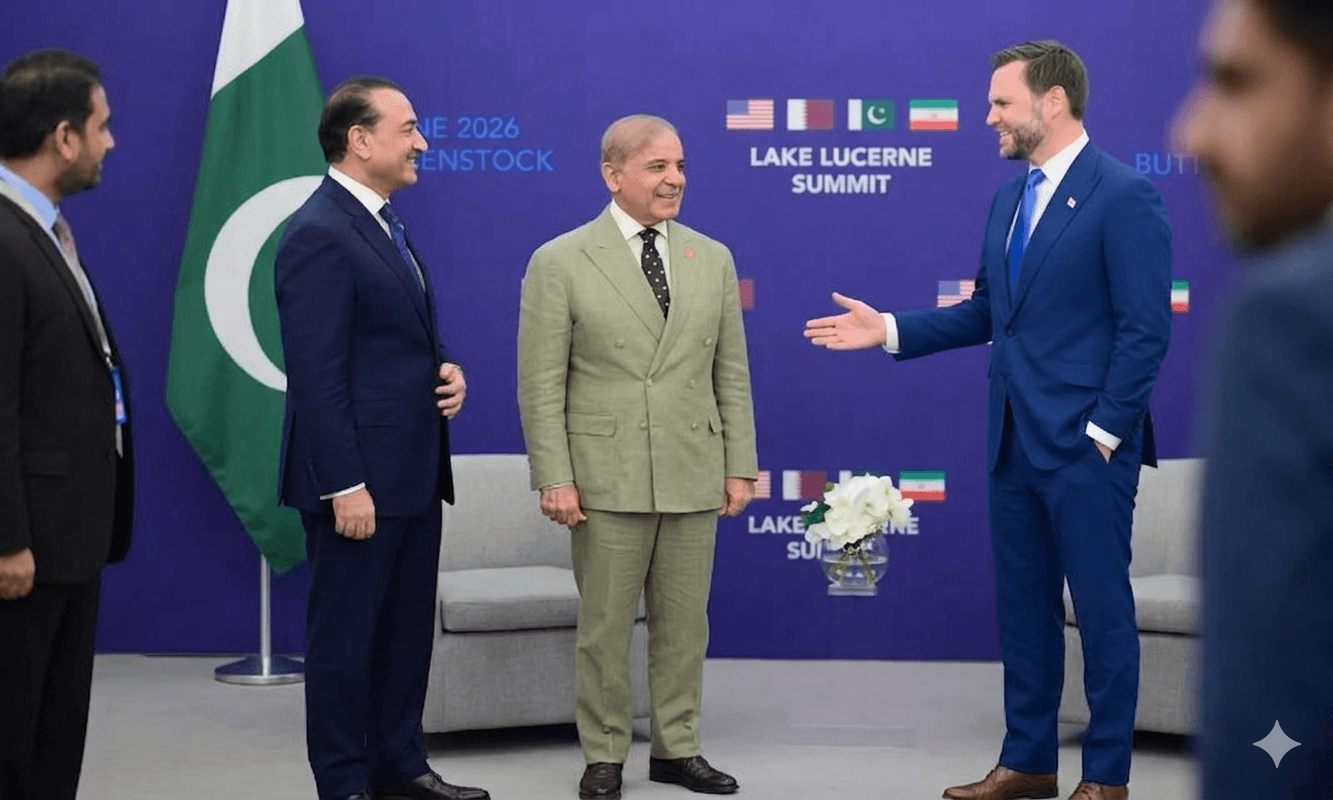
US-Iran talks: End-of-war deal ?..ا
US-Iran talks: End-of-war deal ?..ا
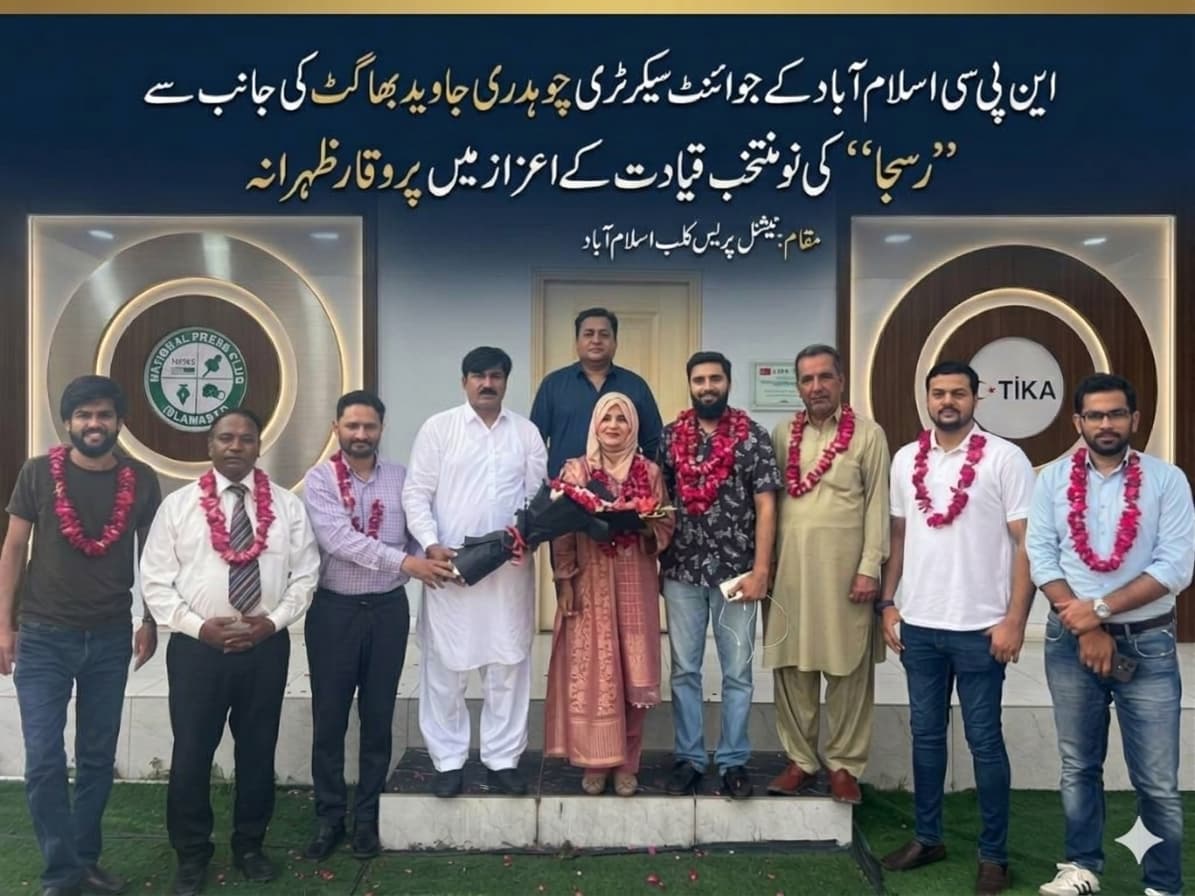
این پی سی اسلام آباد: جوائنٹ سیکرٹری چوہدری جاوید بھاگٹ کی میزبانی میں ’رسجا‘ کی نو منتخب قیادت کے اعزاز میں پروقار ظہرانہ
این پی سی اسلام آباد: جوائنٹ سیکرٹری چوہدری جاوید بھاگٹ کی میزبانی میں ’رسجا‘ کی نو منتخب قیادت کے اعزاز میں پروقار ظہرا…
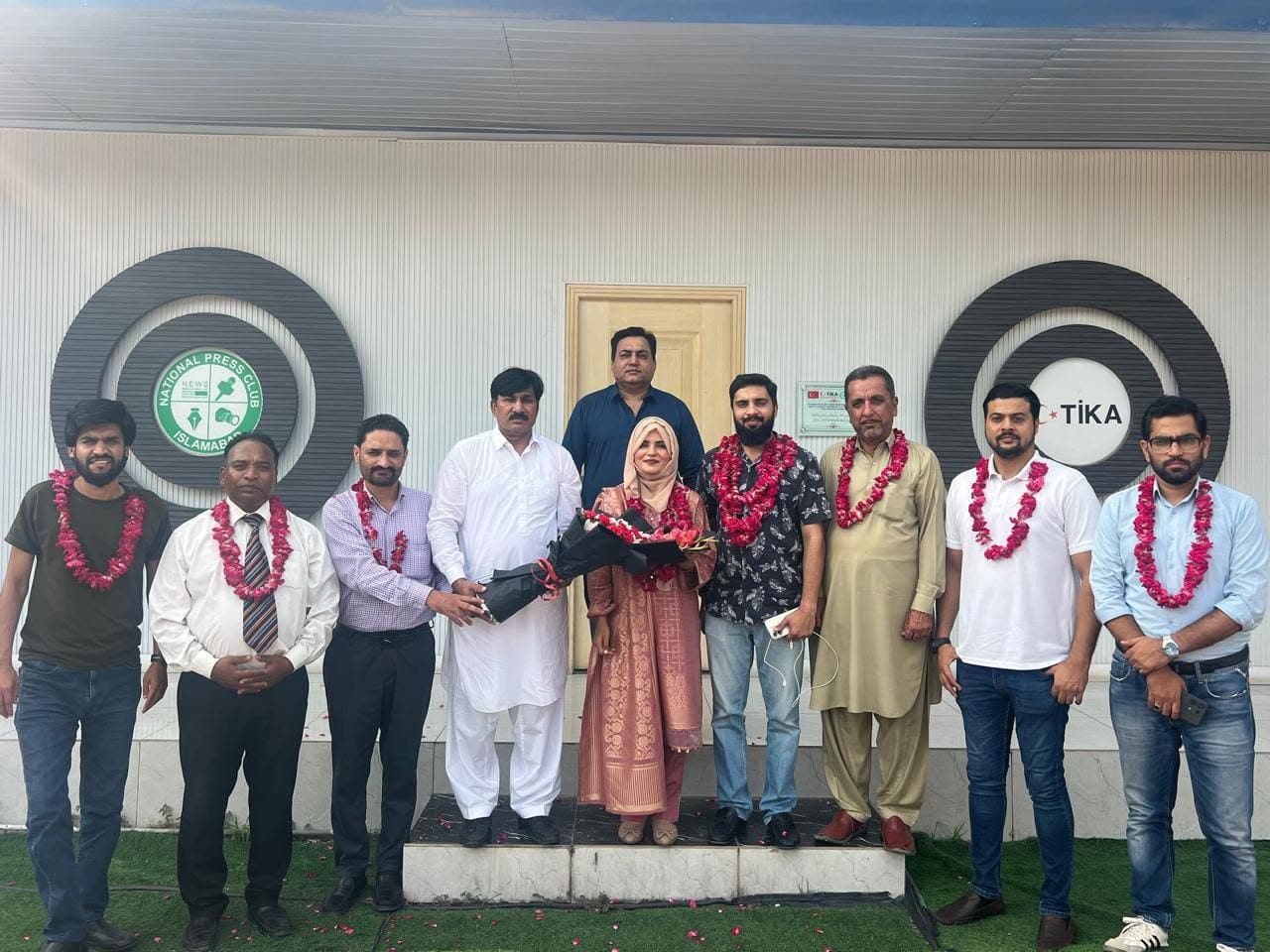
NPC Joint Secretary Chaudhry Javed Bhagat Hosts Grand Luncheon to Honor Newly Elected RISJA Leadership
NPC Joint Secretary Chaudhry Javed Bhagat Hosts Grand Luncheon to Honor Newly Elected RISJA Leadership ISLAMABAD (PPA) —…