

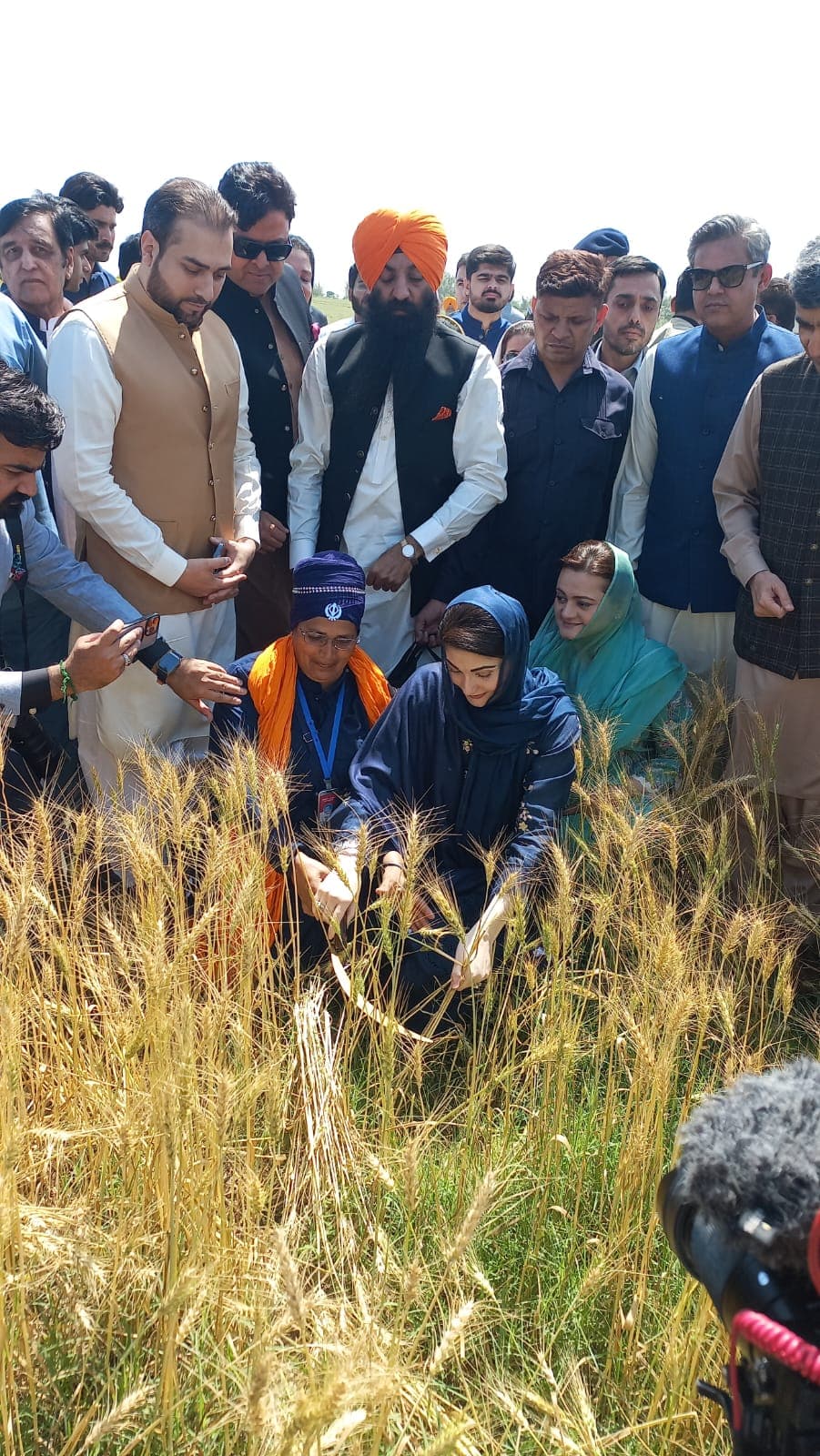
.پاکستان میں آئندہ سال خوراک کی قلت پیدا ہونےکا خدشہ؟
….اصغر علی مبارک………….
پاکستان میں آئندہ سال خوراک کی قلت پیدا ہونےکا خدشہ ظاہر کیا جا رہا ہے۔ کیونکہ پنجاب حکومت نے آئندہ برس گندم نہ خریدنے کا فیصلہ کیا ھےاور صوبے میں گندم کی خریداری سے متعلق نئی پالیسی بھی تشکیل دی جائے گی۔ پنجاب حکومت نے آئندہ برس گندم نہ خریدنے کا فیصلہ کرتے ہوئے صوبائی محکمہ خوراک نے کسانوں کی ایک لاکھ 19 ہزار درخواستیں واپس کردی ہیں ۔پنجاب حکومت نے گندم کی خریداری کے معاملے پر میدان میں آتے ہوئے نئی پالیسی تشکیل دینے کا منصوبہ بنایا ھے دعویٰ کیا گیا ہے پنجاب کے 95فیصد کسان اپنی گندم مڈل مین کو فروخت کر چکے ہیں اور کسان کا نام لے کر مڈل مین شور مچا رہے ہیں۔ ذرائع کے مطابق کسانوں سے گندم خریداری کا معاملہ پرائیویٹ سیکٹر پر چھوڑ دیا جائے گا کیونکہ پنجاب حکومت کے پاس ایک سال کی گندم کا اسٹاک موجود ہے اور ایک اندازے کے مطابق 22 لاکھ 70ہزار ٹن گندم خزانے میں موجود ہے۔ وفاقی حکومت نے دعویٰ کیا کہ گندم کی خریداری کا ہدف پورا کریں گے اور واضح کیا کہ باردانہ کی فراہمی کیلئے آن لائن درخواستوں کی وصولی کا سلسلہ جاری ہے۔دوسری جانب کسان بورڈ پاکستان نے 16مئی کو وزیر اعلیٰ پنجاب کے دفتر کے گھیراؤ کا اعلان کیا ہے۔ خدشہ ھے کہ نئی پالیسی سے اس سال پیدا ہونے والے گندم بحران کے بعد اگر کسان گندم کاشت نہیں کرے تو گندم کہاں سے آئے گئی۔ پنجاب حکومت نے سال 2023-2024 کے لیے گندم کی امدادی قیمت 3 ہزار 900 روپے فی من مقررکی ہے۔ پنجاب حکومت کی جانب سے گندم کی امدادی قیمت مقرر کرنے کی منظوری پنجاب کابینہ کے اجلاس میں دی گئی۔ پنجاب حکومت کی جانب سے اس سال گندم کی امدادی قیمیت 3ہزار9 سو روپے مقر ہے جبکہ سرکاری سطح پر کسانوں سے گندم خریدنے کے لئے کوئی باقاعدہ ہدف بھی مقرر نہیں کیا گیا حکومت کا کہنا ہے کہ اس کے پاس وافر گندم موجود ہے تو پھر اس کا فائدہ عوام کو کیوںنہیں ہو رہا ، پنجاب حکومت کی جانب سے اس سال سرکاری باردانہ کے اجرا کی حد12 ایکڑ سے کم کرکے 6 ایکڑ مقررکی گئی ہے، ماضی میں فی ایکڑ 10 بوری باردانہ دیا جاتا تھا، جسے کم کرکے محض 6 بوری کر دیا گیا ہے، گزشتہ سال کسانوں کو فی بوری 60 روپے ٹرانسپوٹیشن چارجز دئے گئے تھے، جنہیں اس مرتبہ کم کرکے 30 روپے فی بوری کر دیا گیا ہے جبکہ ایک سال کے دوران ٹرانسپوٹیشن چارجز دگنے ہو چکے ہیں گزشتہ برس پنجاب حکومت نے کسانوں سے 45 لاکھ ٹن گندم خریدی تھی، 2023 کے لئے گندم کی سرکاری خریداری کا مجموعی ہدف 78 لاکھ ٹن مقرر کیا گیا تھا، تاہم اس مرتبہ پاسکو 14 لاکھ ، سندھ 10 لاکھ جبکہ بلوچستان 50 ہزار ٹن گندم کسانوں سے خریدے گا،یعنی مجموعی طورپر ساڑھے 24 لاکھ ٹن گندم خریدی جائے گی، وزارت نیشل فوڈ سیکورٹی نے اقتصادی رابطہ کمیٹی کومتنبہ کیا ہے کہ گندم کے مجوزہ اہداف صوبائی ضروریات پوری کرنے کے لئے ناکافی ہیں اور اس بار ہدف کیوں نہیں رکھا گیا کسان نے اگلی فصل کیلئے زمین کی بوائی بھی کرانی ہے گندم کاٹ کر وہ اسے سٹور تو کر نہیں سکتا اس لئے وہ اونے پونے داموں اپنی گندم بیچنے پر مجبور ہے جسے آڑھتی مافیا فلور مافیا کے ساتھ مل کر خرید رہا ہے تاکہ بعد میں جب گندم کا بحران پیدا ہو تو اس سے فائدہ اٹھایا جائے اور باردانہ کی حد بھی کم کر کے چھ ایکڑ کر دی گئی ہے اب جس کے پاس سات ایکڑ زمین ہے وہ بھی 500 روپیہ فی بوری خریدنے پر مجبور ہے۔ مافیا حکومت کو اندھیرے میں رکھ کر کسان کو تباہ کرنے کی کوشش کر رہے ہیں تاکہ پاکستان میں غذائی بحران پیدا کیا جا سکے۔ دوسری جانب کسان پنجاب حکومت کی اس نئی گندم پالسی کومعاشی قتل قرار دے رہے ہیں، کسانوں کا موقف ہے کہ آٹا مافیا اور مڈل مین کو فائدہ پہنچانے کے لئے کسانوں کا معاشی قتل کیا جا رہا ہے، پنجاب حکومت کی جانب سے گندم نہ خریدنے کے فیصلے سے گندم کی اوپن مارکیٹ کریش کر جائے گی، جس کی وجہ سے حکومت کی مقرر کردہ امدادی قیمت 3 ہزار9 سو روپے ملنا بھی ممکن نہیں اور اس وقت گندم اوپن مارکیٹ میں تین ہزار روپے فی من تک گر چکی ہے مافیا کی ملی بھگت سے ایک نیا بحران پیدا کرنے کی کوشش کی جا رہی ہے اور اس کے نتیجے میں پنجاب میں گندم کی قیمتیں ریکارڈ کم ترین سطح پر آ چکی ہیں اور کسان اس وقت بے چارگی کے عالم میں ہے۔ کاشتکار تنظیموں نے احتجاج کا اعلان کرتے ہوئے خبردار کیا کہ اگر حکومت نے طاقت کا استعمال کیا تو حالات کی خرابی کی ذمہ دار وہ خود ہو گی۔ اب حکومت نے 3900 روپے فی من گندم کی امدادی قیمت مقرر تو کر دی ہے لیکن وہ بھی نہیں مل رہی۔ دوسری جانب کھاد کی قیمت ایک سال کے دوران سرکاری نرخوں سے بھی زیادہ بڑھ چکی ہے اور کسان بلیک میں کھاد خرید کر گندم اگا رہا ہے، ڈیزل اور بجلی کے چارجز بھی بڑھ چکے ہیں۔ تمام اخراجات کو شامل کرنے کے بعد، گندم کی فی ایکڑ قیمت کم از کم امدادی قیمت سے کہیں زیادہ ہے جس سے کسانوں کو بہت زیادہ نقصان ہورہا ہے۔ اس صورتحال میں خدشہ ہے کہ گندم کی کمی کے باعث کسان دیوالیہ ہو جائیں گے۔ گندم بحران ملک کو ایک نئے بحران میں دھکیل سکتا ہے جس پرغورکی ضرورت ہے۔کیوں کہ ہمارے ہمسائے میں کسانوں کو تین سو یونٹ بجلی فری دی جا رہی ہے جبکہ ہمارے ہاں ایک یونٹ سو روپے سے زائد کا ہو چکا ہے، اسی طرح کسان سرکاری ریٹ سے زائد پر یوریا کھاد کی بوری لائنوں میں لگ کر بلیک میں حاصل کر رہا ہے، ڈیزل کا ریٹ ایک سال میں کہاں پہنچ چکا ہے۔اس گندم بحران میں یقینا گندم خریدنے کیلئے حکومت ہدف مقرر نہیں کرے گی، کسان کو اس کی پیداواری لاگت نہیں دے گی تو لازم مافیا اس صورتحال سے فائدہ اٹھائے گا کیوں کہ ہم نے ماضی میں بھی دیکھا ہے کہ پاکستان کو ایک زرعی ملک ہونے کے باوجود گندم باہر سے منگوانا پڑتی ہے اور اپنے کسان کو اس کی پیداواری لاگت نہیں دی جاتی اس پر حکومت کو ایکشن لینا ہو گا ماضی قریب میں پاک فوج اور حکومت نے مل کر ایک گرین انیشیٹو پروگرام بھی شروع کیا تھا اور اس طرح کےگندم بحران گرین انیشیٹو کو ناکام بنانے کی سازش ہو سکتے ہیں۔
گندم فصل کے اچھا ہونے پر کسان اور حکومت دونوں خوش ہوتے ہیں کیونکہ ایک تو کسان کو اچھی آمدن ہوتی ہے تو دوسری جانب ملک میں سال بھر اس چیز کی قلت نہیں ہوتی۔صوبہ پنجاب میں گندم کی بمپر کراپ یعنی زیادہ پیداوار کے بعد بھی کسان سراپا احتجاج ہیں اور اس کی وجہ صوبائی حکومت کی جانب سے ان سے گندم نہ خریدنا ہےپاکستان کی سابق نگراں حکومت کی جانب سے 30 لاکھ ٹن سے زائد گندم کی درآمد کے بعد اس وقت حکومتی گوداموں میں گندم کا بڑا ذخیرہ موجود ہے جب کہ دوسری جانب صوبے میں گندم کی اچھی فصل ہونے کی وجہ سے کسانوں کے پاس بھی اس کی وافر مقدار موجود ہے۔ پنجاب حکومت کی جانب سے 3900 روپے فی من کے حساب سے گندم کی خریداری کا اعلان کیا گیا تھا تاہم ابھی تک پنجاب حکومت کی جانب سے اس کی خریداری نہیں کی گئی۔ حکومت کے اس رویّے پر کسان تنظیموں کی جانب سے صوبے بھر میں احتجاج کیا جا رہا ہے۔صوبہ پنجاب میں حکومت کی جانب سے گندم کی خریداری نہ ہونے کی بڑی وجہ نگران حکومت کے دور میں درآمد کی جانے والی اور گذشتہ سیزن کی گندم بتائی جا رہی ہے۔ چونکہ حکومتی گوداموں میں اس کا سٹاک موجود ہے اس لیے صوبائی حکومت اب تک مزید گندم نہیں خرید سکی۔
پنجاب کے وزیر خوراک بلال یاسین کی جانب سے جاری کردہ ایک بیان کے مطابق پنجاب کے پاس 23 لاکھ میٹرک گندم کا سٹاک موجود ہے جو اگلے پورے سال کے لیے کافی ہے۔ پنجاب حکومت کاشتکاروں کے تحفظ کے لیے گندم کی طلب اور رسد پر نظر رکھے ہوئے ہے۔ پنجاب حکومت ہر سال تقریباً 40 لاکھ ٹن گندم کے حصول کو ممکن بناتی ہے مگر اس سال ابھی تک گندم حصولی کا ٹارگٹ صرف 20 لاکھ ٹن ہے۔اس کی وجہ نگران حکومت کے دور میں گندم درآمد کرنا تھا جو اب حکومتی سٹاک میں موجود ہے۔چیئرمین کسان اتحاد کا کہنا ہے کہ اس وقت پنجاب حکومت کے گوداموں میں 22 لاکھ ٹن گندم موجود ہے جب کہ اس سیزن میں پنجاب میں ایک کروڑ 20 لاکھ ٹن گندم کی پیداوار ہوئی ہے۔ ہر سیزن میں تھوڑے بہت فرق کے ساتھ یہی پیداوار ہوتی ہے جس میں سے پچیس سے تیس لاکھ ٹن گندم کسان اپنی ضرورت کے لیے رکھ لیتا ہے جب کہ بیس سے پچیس لاکھ مارکیٹ میں فروخت کر دی جاتی ہے جب کہ پینتیس سے چالیس لاکھ ٹن گندم پنجاب حکومت خرید لیتی ہے۔ گذشتہ برسوں میں تو ایسا ہوتا تھا کہ اگر 40-50 من گندم بھی گھروں میں مل جاتی تھی تو ضلعی انتظامیہ چھاپے مارتی تھی کہ کہیں ذخیرہ اندوزی تو نہیں ہورہی لیکن اس سیزن میں کسان سے ابھی تک کوئی گندم نہیں خریدی گئی۔ پنجاب حکومت کی جانب سے موجودہ سیزن میں اب تک گندم نہ خریدنے کی جو سب سے بڑی وجہ بتائی گئی ہے وہ گذشتہ سیزن میں درآمد کردہ گندم ہے۔ یہ بات درست ہے کہ اس وقت جو گندم موجود ہے اس سے کہیں زیادہ حکومتی گوداموں میں ذخیرہ کی جا سکتی ہے۔ گندم کا سٹاک کھلے میدانوں میں ترپال ڈال کر کیا جاتا ہے اور ماضی میں پنجاب میں ساٹھ لاکھ ٹن سے زائد گندم بھی ذخیرہ ہوتی رہی ہے پنجاب کے علاوہ بلوچستان میں پانچ لاکھ ٹن گندم کی پیداوار ہوتی ہے جس میں ساڑھے تین لاکھ بلوچستان حکومت خرید لیتی ہے۔ سندھ میں 40 سے 50 لاکھ ٹن تک گندم کی پیداوار ہے اسی طرح کے پی میں بھی چار پانچ لاکھ ٹن ہوتی ہے۔ پاسکو اٹھارہ لاکھ ٹن تک گندم خرید رہا ہے۔ تاہم اصل مسئلہ پنجاب میں ہے جہاں گندم کی سب سے زیادہ پیدوار ہوتی ہے اور صوبائی حکومت کی جانب سے خریداری کے بغیر کسان کو اس کی قیمت نہیں مل سکتی۔ پنجاب سے دوسرے صوبوں میں گندم بھیجنی چاہیے تاہم یہ بھیجی نہیں جا رہی کیونکہ اس وقت دوسرے صوبوں میں گندم بھیجنے پر پابندی ہے۔ گندم ہو یا کوئی اور شہ اس کی قیمت کا تعین معاشی اصول کے مطابق رسد اور طلب کی بنیاد پر کیا جاتا ہے، اگر رسد زیادہ ہو اور طلب کم ہو تو قیمت کم ہوجاتی ہے اور اگر معاملہ اس کے برعکس ہو تو دام مہنگے ہوجاتے ہیں۔ ہوا یوں کہ حکومت نے گندم کی فصل آنے سے قبل بیرونی ذرایع سے ضرورت سے زیادہ گندم درآمد کر لی جس کا نتیجہ یہ ہوا کہ ملک میں گندم کی رسد طلب کے مقابلے میں بہت زیادہ ہوگئی۔ گندم کی فصل پورے سال کے لیے ہوتی ہے یعنی اب اگلے سال نئی فصل مارکیٹ میں آئے گی جس کا مطلب ہے کہ ڈیمانڈ تو ہو گی لیکن سٹاک استعمال ہوتا رہے گا جس سے امکان کم ہے کہ قیمت میں کوئی کمی آئے۔
پاکستان کے معرضِ وجود میں آنے سے لے کر اب تک گندم کی پیداوار میں مسلسل اضافہ ہوا ہے۔ مثال کے طور پر 1960 میں گندم کی کل پیداوار 3,909 ہزار میٹرک ٹنز تھی جو کہ 1980 میں بڑھ کر 10,857 ہزار میٹرک ٹنز اور سال 2000 میں 21,079 ہزار میٹرک ٹنز تک جا پہنچی۔ یہ اضافہ کا رجحان جاری رہا جو بڑھتے بڑھتے 2020 میں 25,247 ہزار میٹرک ٹنز اور سال 2023 میں 26,801 ہزار میٹرک ٹنز تک جا پہنچا تاہم 2024 کی متوقع پیداوار تقریباً 32,100 ہزار میٹرک ٹنز ہے۔ 1960 میں گندم کی کل کھپت 5,454 ہزار میٹرک ٹنز جوکہ 1980 میں بڑھ کر 11,200 ہزار میٹرک ٹنز اور 2000 میں 22,500 ہزار میٹرک ٹنز تک پہنچ گئی۔ یہ اضافہ جاری رہا جس کے نتیجے میں 2020 میں گندم کی کل کھپت 26,300 ہزار میٹرک ٹنز اور 2023 میں 29,600 ہزار میٹرک ٹنز تک پہنچ گئی۔ منصفانہ تخمینہ کے مطابق سال 2024 کی متوقع پیداوار 32,000 ہزار میٹرک ٹنز کے قریب ہے جوکہ پورے سال کی گھریلو ضروریات کو پورا کرنے کے لیے کافی ہے، اس کے علاوہ اگر ہم غورکریں تو افغانستان کو برآمد ہونے والی 2 ملین میٹرک ٹنز گندم کے نتیجے میں پیداوار کھپت کے مقابلہ میں زیادہ ہے۔
2024 میں آٹے کی قیمت میں اضافہ اور قلت کے پیش نظر گندم کو بونا کسانوں کا من پسند انتخاب تھا جس کے نتیجہ میں کاشت کیے گئے علاقہ کا 40 فیصد (9.12 ملین ہیکٹر) گزشتہ سال کے اکتوبر، نومبر اور دسمبر میں 2024 کی گندم کی فصل کے لیے وقف کردیا گیا تھا۔ اس سے 2022 میں لگائی گئی 2023 کی گندم کی فصل میں 8.86 ملین ہیکٹر سے لے کر گزشتہ سال کی 9 ملین ہیکٹر سے زیادہ اضافہ ہوا۔


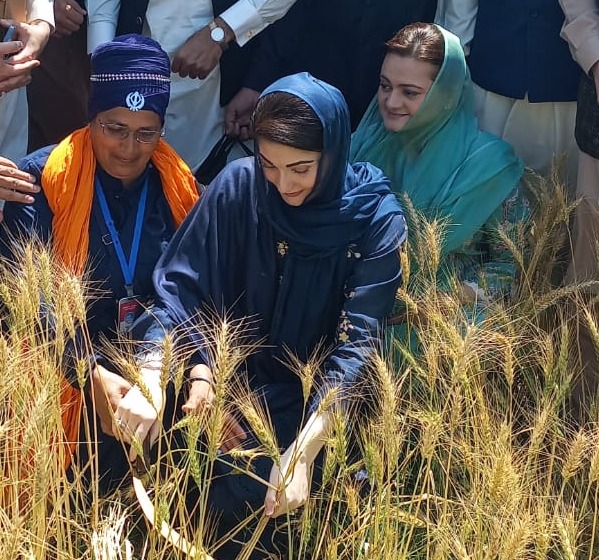

Fear of food shortage in Pakistan next year?
….Asghar Ali Mubarak………….
There is a fear of food shortage in Pakistan next year. Because the Punjab government has decided not to buy wheat next year and a new policy will be formed regarding the purchase of wheat in the province.
While the Punjab government has decided not to buy wheat next year, the provincial food department has returned 191,000 farmers’ applications.
The Punjab government has planned to formulate a new policy on the issue of wheat procurement. It has been claimed that 95% of the farmers of Punjab have sold their wheat to middlemen and the middlemen are making noise in the name of farmers. .
According to sources, the matter of purchasing wheat from farmers will be left to the private sector as the Punjab government has one year’s wheat stock and an estimated 2.27 million tonnes of wheat is in the treasury.
The federal government claimed that it will meet the wheat procurement target and clarified that online applications for the supply of bardana are being received.
On the other hand, Kisan Board Pakistan has announced the siege of the Punjab Chief Minister’s office on May 16.
It is feared that after the wheat crisis caused by the new policy this year, if the farmer does not cultivate wheat, then where did the wheat come from?
The Punjab government has fixed the support price of wheat for the year 2023-2024 at Rs 3,900 per maund. Punjab government approved setting the support price of wheat in the Punjab cabinet meeting.
The support price of wheat this year on behalf of the Punjab government is fixed at 3 thousand 900 rupees, while no official target has been set to buy wheat from the farmers at the official level. The government says that it has plenty of wheat, so then its Why are the people not benefiting?
This year, the Punjab government has reduced the limit of official bardana from 12 acres to 6 acres. In the past, 10 sacks of bardana were given per acre, which has been reduced to just 6 sacks. Transposition charges were given at 60 rupees per sack, which this time has been reduced to 30 rupees per sack while the transposition charges have doubled in one year. The total target of official purchase of wheat was set at 7.8 million tons, but this time Pasko will purchase 1.4 million tons, Sindh 1.0 million and Balochistan 50 thousand tons of wheat from farmers, that is, a total of 2.4 million tons of wheat will be purchased, Ministry of National Food Security has warned the Economic Coordinating Committee that the proposed targets for wheat are insufficient to meet the provincial needs and why the target has not been set this time. The farmer has to sow the land for the next crop. Therefore, he is forced to sell his wheat at low prices, which the Aardti mafia is buying in collaboration with the flour mafia to take advantage of it later when there is a wheat crisis, and the bardana limit has also been reduced to six acres. It has been done, now the one who has seven acres of land is also forced to buy 500 rupees per sack. The mafia is trying to destroy the farmer by keeping the government in the dark so as to create a food crisis in Pakistan.
On the other hand, farmers are calling this new wheat policy of the Punjab government as economic murder. With the decision, the open market of wheat will crash, due to which it is not possible to get the support price of Rs. Attempts are being made to create a new crisis and as a result wheat prices in Punjab have fallen to record lows and the farmer is now in a state of unemployment. The farmers’ organizations announced the protest and warned that if the government used force, it would be responsible for the deterioration of the situation. Now the government has fixed the support price of wheat at 3900 rupees per maund, but that too is not being met. On the other hand, the price of fertilizer has increased more than the official rates in a year and farmer is growing wheat by buying fertilizer in black, diesel and electricity charges have also increased. After adding all the costs, the price per acre of wheat is much higher than the minimum support price which is causing huge loss to the farmers. In this situation, it is feared that the farmers will become bankrupt due to lack of wheat. The wheat crisis can push the country into a new crisis, which needs to be considered. Because 300 units of electricity are being given free to farmers in our neighborhood, while one unit has cost more than 100 rupees, similarly, farmers are getting government assistance. More than the rate, Urea is getting in the bag lines of fertilizer in black, where has the rate of diesel reached in one year. In this wheat crisis, the government will definitely not set a target to buy wheat, the farmer will have to pay for its production. If the cost is not paid, then the mafia will take advantage of this situation because we have seen in the past that despite being an agricultural country, Pakistan has to import wheat from outside and its farmers are not given the cost of production. The government will have to take action. In the recent past, the Pakistan Army and the government had jointly launched a Green Initiative program and such wheat crisis could be a conspiracy to thwart the Green Initiative.
Both the farmer and the government are happy when the wheat harvest is good because on the one hand the farmer gets a good income and on the other hand there is no shortage of this commodity throughout the year. There are many protests and the reason for this is that the provincial government does not buy wheat from them. After importing more than 3 million tons of wheat by the former caretaker government of Pakistan, there is a large stock of wheat in the government warehouses. Due to the good crop of wheat in the province, the farmers also have plenty of it. The purchase of wheat at the rate of 3900 rupees per maund was announced by the Punjab government, but it has not been purchased by the Punjab government so far. This attitude of the government is being protested by farmers’ organizations across the province. The main reason for the non-purchase of wheat by the government in the province of Punjab is the wheat imported during the caretaker government and last season’s wheat. has been The provincial government has not been able to buy more wheat so far as its stock is available in the government godowns.
According to a statement issued by Punjab Food Minister Bilal Yasin, Punjab has a stock of 2.3 million metric tons of wheat, which is enough for the entire next year. The Punjab government is monitoring the supply and demand of wheat to protect the farmers. The Punjab government makes it possible to procure about 4 million tonnes of wheat every year, but this year the target for wheat procurement is only 2 million tonnes. Chairman Kisan Ittehad says that currently there are 2.2 million tons of wheat in the warehouses of the Punjab government, while this season, 1.2 million tons of wheat have been produced in Punjab. This is the same production in every season with a small difference, out of which twenty five to three million tons of wheat is kept by the farmer for his own needs while twenty to five million tons is sold in the market while thirty five to four million tons of wheat is produced. Punjab government buys it. In the past years, it used to happen that even if 40-50 maunds of wheat were found in the houses, the district administration used to raid that there is no stockpiling, but this season no wheat has been bought from the farmer yet. The main reason given by the Punjab government for not buying wheat in the current season so far is the wheat imported in the previous season. It is true that much more wheat can be stored in government warehouses than what is available at present. The stock of wheat is done by putting tarpaulin in the open fields and in the past more than six million tons of wheat has been stored in Punjab. Apart from Punjab, Balochistan produces five million tons of wheat, of which the Balochistan government buys three and a half million tons. Is. In Sindh, there is 40 to 50 lakh tons of wheat production, similarly in KP there are 45 lakh tons. Pasco is buying up to eighteen lakh tonnes of wheat. However, the real problem is in Punjab, where wheat is produced the most and without purchase from the provincial government, the farmer cannot get the price. Wheat should be sent from Punjab to other provinces, but it is not being sent because currently there is a ban on sending wheat to other provinces.
Whether it is wheat or any other commodity, its price is determined according to economic principles based on supply and demand. . It so happened that the government imported wheat from foreign sources before the wheat harvest, which resulted in the supply of wheat in the country being much higher than the demand. Wheat is harvested for the whole year which means that next year the new crop will be in the market which means that there will be demand but the stock will be used which is less likely to bring down the price.
Ever since Pakistan came into existence, the production of wheat has increased continuously. For example, the total production of wheat in 1960 was 3,909 thousand metric tons, which increased to 10,857 thousand metric tons in 1980 and 21,079 thousand metric tons in the year 2000. This growth trend continued, increasing to 25,247 thousand metric tons in 2020 and 26,801 thousand metric tons in 2023, but the expected production of 2024 is about 32,100 thousand metric tons. The total consumption of wheat in 1960 was 5,454 thousand metric tons, which increased to 11,200 thousand metric tons in 1980 and 22,500 thousand metric tons in 2000. This increase continued resulting in total wheat consumption reaching 26,300 thousand metric tons in 2020 and 29,600 thousand metric tons in 2023. According to a fair estimate, the expected production for the year 2024 is close to 32,000 thousand metric tons, which is enough to meet the domestic needs for the entire year, if we also consider the 2 million metric tons of wheat exported to Afghanistan. Production is more than consumption.
In 2024 wheat was the preferred choice of farmers in view of rising flour prices and shortages, resulting in 40 percent of the cultivated area (9.12 million hectares) of 2024 wheat in October, November and December last year. was devoted to the harvest. This increased the 2023 wheat crop planted in 2022 from 8.86 million hectares to more than 9 million hectares last year.


