

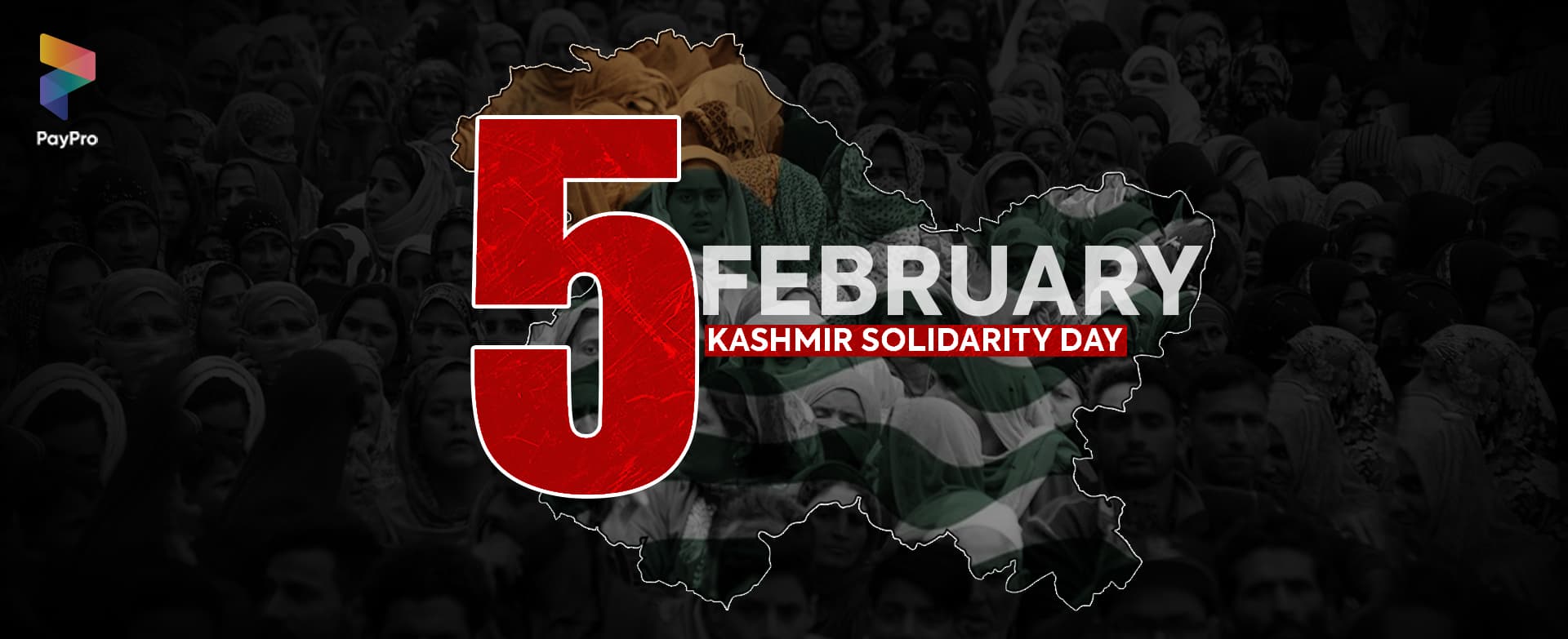
Solidarity with Kashmiris; Pakistan’s National Assembly is a powerful voice
……(Asghar Ali Mubarak)….کشمیریوں سےاظہار یکجہتی , اسپیکر قومی اسمبلی پاکستان توانا آواز
…..
مقبوضہ جموں و کشمیر کی آزادی پاکستان کی اولین ترجیح ہے, مقبوضہ کشمیر میں قابض بھارتی افواج کی بربریت عروج پر ہے, بھارت کو یاد رکھنا چاہیے کہ ظلم و جبر کشمیریوں کی حق خودارادیت کی تحریک کو کبھی کمزور نہیں کر سکتا۔ مسئلہ کشمیر کواقوام متحدہ کی قراردادوں کے مطابق حل کیا جانا چاہیے۔ پاکستان کی قومی اسمبلی کے سپیکر سردار ایاز صادق کا یہ بیان بہت اہم ہے کیونکہ وہ کشمیر کا مسئلہ ہر فورم پر اٹھاتے ہیں سینئر تجزیہ کار اصغر علی مبارک کی تحقیق کے مطابق پاکستان کی قومی اسمبلی مستقل طور پر ایک طاقتور، متحد آواز کے طور پر کام کررہی ہے جو کشمیریوں کے حقوق کی وکالت کرتی ہے،کشمیریوں کےخود ارادیت کے لیے ان کی جدوجہد کے لیے غیر متزلزل اخلاقی، سیاسی اور سفارتی حمایت کا اعادہ کرتی ہےیہ ایوان اکثر متفقہ قراردادیں پاس کرتا ہے جس میں جموں و کشمیر میں بھارتی اقدامات کی مذمت کی جاتی ہے اور بین الاقوامی فورمز پر انسانی حقوق کی خلاف ورزیوں کو اجاگر کیا جاتا ہے۔قومی اسمبلی سے بھارت کے یکطرفہ اقدامات 5 اگست 2019، آرٹیکل 370 کی تنسیخ کو مسترد کرنے کی قراردادیں پاس کی اور اقوام متحدہ کی سلامتی کونسل کی قراردادوں پر عمل درآمد کا مطالبہ کیا ,
پارلیمنٹ اس بات کی تائید کرتی ہے کہ مسئلہ کشمیر محض علاقائی نہیں بلکہ ایک انسانی مسئلہ ہے جس کا مرکز حق خود ارادیت ہے۔
پاکستان کی قومی اسمبلی کے سپیکر اور پارلیمانی وفود بین الپارلیمانی یونین (آئی پی یو) اور کامن ویلتھ پارلیمانی ایسوسی ایشن جیسے بین الاقوامی فورمز پر مسئلہ کشمیر کو فعال طور پر اٹھاتے ہیں۔ قومی اسمبلی کی کشمیر پر ایک خصوصی پارلیمانی کمیٹی قائم ہے تاکہ مسئلہ کشمیر پر مسلسل توجہ اور پالیسی کی تشکیل کو یقینی بنایا جا سکے۔ ایوان مسلسل ریاستی سرپرستی میں ہونے والے تشدد، غیر قانونی حراستوں اور ہندوستانی غیر قانونی طور پر مقبوضہ جموں و کشمیر میں آبادیاتی تبدیلیوں کی مذمت کرتار ہتا ہے۔
یہ غور کرنا چاہیے کہ مسئلہ کشمیری عوام کی خواہشات اور اقوام متحدہ کی قراردادوں کے مطابق حل ہونا چاہیے۔ جابرانہ ہتھکنڈوں سے مقامی آزادی کی تحریک کو دبایا نہیں جا سکتا۔ ان اقدامات کے ذریعے، قومی اسمبلی اس بات کو یقینی بناتی ہے کہ کشمیر کاز پاکستان کی خارجہ پالیسی اور قومی گفتگو میں سرفہرست رہے۔حالیہ دورہ چین کے دوران چیئرمین نیشنل پیپلز کانگریس سے ملاقات میں بھی اسپیکر قومی اسمبلی کے مسئلہ کشمیر اٹھایا تھا۔اسپیکر قومی اسمبلی پاکستان سردار ایازصادق کا کہنا ہےکہ مسئلہ کشمیر اقوامِ متحدہ کی قراردادوں کے مطابق حل ہونا چاہیے، عالمی برادری مقبوضہ کشمیر میں انسانی حقوق کی خلاف ورزیوں کا نوٹس لےمقبوضہ کشمیر میں جاری مظالم کو ہر فورم پر اٹھاتے رہے ہیں اوراٹھاتے رہیں گے۔اسپیکر قومی اسمبلی سے برطانیہ کے ہاؤس آف کامنز کے رکن عمران حسین کی پارلیمنٹ ہاؤس میں ملاقات ہوئی۔ ملاقات میں رکن ہاؤس آف کامنز نے مسئلہ کشمیر کو بین الاقوامی سطح پر اجاگر کرنے پر اسپیکر قومی اسمبلی پاکستان کو خراجِ تحسین پیش کیا۔برطانیہ کے ہاؤس آف کامنز کے رکن کا بھی یہ کہنا ہے کہ وہ برطانوی پارلیمنٹ میں کشمیر کے مسئلے کو مؤثر انداز میں اٹھائیں گے خاص طور پر کشمیر میں یتیم اور مستحق بچوں کی خدمت کے لیے آرفنج فاؤنڈیشن کی سماجی و فلاحی خدمات کو سراہا گیا اس موقع پر وفاقی وزیر و چیئرمین کشمیر کمیٹی رانا قاسم نون نے کہا کہ مقبوضہ جموں و کشمیر محض ایک علاقائی تنازعہ نہیں بلکہ ایک سنگین انسانی بحران ہے، مقبوضہ کشمیر کے عوام کئی دہائیوں سے بنیادی انسانی حقوق کی پامالی کا سامنا کر رہے ہیں، عالمی برادری کشمیری عوام کے بنیادی انسانی حقوق کے تحفظ کو یقینی بنائے۔
یہ یاد رکھیں کہ یومِ یکجہتی کشمیر ہر سال 5 فروری کو پاکستان اور دنیا بھر میں منایا جاتا ہے۔ اس دن کا مقصد کشمیری عوام کے ساتھ اظہار یکجہتی کرنا، ان کے حقِ خودارادیت کی حمایت کرنا اور بھارتی مظالم کی مذمت کرنا ہے۔ پانچ فروری کو پاکستان میں منقسم کشمیر کے سبھی حصوں میں بسنے والے کشمیریوں سےاظہارِ یکجہتی کے لیے ”یوم یکجہتی کشمیر” مناتے ہیں یہ دن منانے کا سلسلہ گذشتہ 36 سال سے بلا تعطل جاری ہے جس میں پاکستان اور دنیا کے کئی ممالک میں بسنے والے پاکستانیوں کی سیاسی اور مذہبی جماعتیں احتجاجی جلسے منعقد کرتی ہیں اور سرکاری سطح پر تقریبات کا انعقاد ہوتا ہے۔ تاہم کم ہی لوگ یہ جانتے ہیں کہ اس دن کو منانے کی شروعات کب اور کیسے ہوئی، کس شخصیت نے سب سے پہلے یہ تجویز پیش کی یاد رکھیں کہ 25 جنوری 1990 کو مقبوضہ جموں و کشمیر کے ضلع کپواڑہ کے علاقے ہندواڑہ میں پیش آنے والا واقعہ کشمیری تاریخ کے المناک دنوں میں شمار کیا جاتا ہےاس روز بھارتی قابض فورسز نے ایک پُرامن اجتماع پر فائرنگ کی، جس کے نتیجے میں کم از کم 21 نہتے کشمیری جان سے گئے جبکہ 75 سے زائد افراد زخمی ہوئے۔عینی شاہدین کے مطابق ہندواڑہ میں ہونے والا اجتماع غیر مسلح شہریوں پر مشتمل تھا، جو وادی میں جاری قتل و غارت کے خلاف آواز بلند کرنے اور انصاف کا مطالبہ کرنے کے لیے جمع ہوئے تھے۔
اس وقت پوری وادی پہلے ہی گاؤکدل قتلِ عام کے صدمے میں تھی، تاہم حالات کو بہتر بنانے کے بجائے بھارتی حکام نے کرفیو، فوجی محاصرے اور جبری گرفتاریوں میں مزید شدت پیدا کر دی بھارتی فورسز نے مظاہرین پر اندھا دھند فائرنگ کی، جس سے پورا علاقہ خوف اور غم میں ڈوب گیا۔ اس واقعے کے بعد بھی حسبِ روایت نہ کوئی آزادانہ تحقیقات ہو سکیں اور نہ ہی ذمہ داران کو سزا دی گئی۔ہندواڑہ قتلِ عام کو کشمیری عوام آج بھی ایک ایسے واقعے کے طور پر یاد کرتے ہیں جس نے یہ پیغام دیا کہ مقبوضہ کشمیر میں نہ صرف احتجاج بلکہ غم منانا بھی جرم سمجھا جاتا ہے۔ یہ واقعہ کشمیریوں کی طویل جدوجہدِ آزادی کی ایک خونی کڑی قرار دیا جاتا ہے، جو آج بھی اجتماعی یادداشت کا حصہ ہے شواہد بتاتے ہیں کہ اس دن کو منانے کا آغاز تقسیم کشمیر سے قبل ہی 1932 میں متحدہ پنجاب سے ہو گیا تھا تاہم یہ سلسلہ ٹوٹتا اور جڑتا رہا۔ پاکستان بننے کے بعد بھی کشمیریوں کے ساتھ یکجہتی کے اظہار کیا جاتا رہا تاہم اس کے لیے کوئی خاص دن مقرر نہیں تھا اور یہ سلسلہ بھی مسلسل نہیں رہا, شیخ عبداللہ اور اندرا گاندھی کے درمیان ہونے والے معاہدے کے وقت 1975 میں وزیر اعظم ذوالفقار علی بھٹو نے 28 فروری کوکشمیریوں کے ساتھ اظہارِ یکجہتی کا دن منانے کا اعلان کیا۔ اس دور کی میڈیا رپورٹس بتاتی ہیں کہ یہ احتجاج اس قدر سخت تھا کہ پورا پاکستان بند ہو گیا اور لوگوں نے اپنے مویشیوں کو پانی تک نہیں پلایا۔ یہ دن منانے کی تجویز وزیر اعظم بھٹو کو دینے والوں میں جماعت اسلامی کی سربراہ قاضی حسین احمد کے علاوہ پاکستان کے زیر انتظام کشمیر کے اس وقت کے صدر سردار محمد ابراہیم خان پیش پیش تھے۔ یاد رکھیں کہ 27 اکتوبر 1947 کو بھارت نے جموں و کشمیر میں اپنی فوجیں اتاری تھیں اور ایک بڑے حصے پر غاصبانہ قبضہ کر لیا تھا، تاہم کشمیریوں کے ساتھ یکجہتی کے اظہار کے لیے ایک دن مخصوص کرنے کا مطالبہ 1990 میں قاضی حسین نے میاں نواز شریف کی مشاورت سے کیا اور اس کی فوری تائید وزیر اعظم محترمہ بے نظیر بھٹو نے بھی کی۔ یہ وہ وقت تھا جب بھارت کے زیر انتظام کشمیر میں مسلح تحریک اپنے ابتدائی مراحل میں تھی اور تنازع کشمیر کے سیاسی طور پر حل ہونے کے امکانات سے مایوس کشمیری نوجوان عسکری تحریک میں شامل ہو رہے تھے۔ ہلاکتوں اور ہجرتوں کا سلسلہ شروع ہو گیا تھا۔ اسی دوران 29 تا 31 دسمبر 1988 جنوبی ایشیائی ممالک کی تنظیم سارک کا اجلاس اسلام آباد میں ہوا تھااور ہندوستان کے وزیر اعظم راجیو گاندھی اس اجلاس میں شرکت کے لیے پاکستان آئےتھے۔
ملک میں اس وقت پاکستان پیپلز پارٹی کی حکومت تھی اور محترمہ بے نظیر بھٹو ملک کی وزیر اعظم تھی۔ ۔میاں نواز شریف اس وقت اسلامی جمہوری اتحاد کے سربراہ اور پنجاب کے وزیر اعلیٰ تھے۔ جماعت اسلامی اس اتحاد کا حصہ تھی اور اس کے سربراہ قاضی حسین احمد اور میاں نواز شریف کے درمیان گاڑھی چھنتی تھی۔ اسلامی جمہوری اتحاد قومی اسمبلی میں اپوزیشن میں تھا اور پنجاب کی صوبائی حکومت بھی اسی اتحاد کے پاس تھی۔ میاں نواز شریف اور قاضی حسین احمد نے اس معاملے پر حکومت کو آڑے ہاتھوں لیا
بھارت کے زیر انتظام کشمیر میں مسلح تحریک اپنے عروج کی طرف رواں تھی اور بھارت کی افواج اس تحریک کو کچلنے کے لیے طاقت کا کھل کر استعمال کر رہی تھیں۔ نتیجتاً بھارت کے زیر انتظام کشمیر میں کشمیری نوجوانوں کی ہلاکتیں روز کا معمول بن گئیں ۔ جماعت اسلامی کے امیر قاضی حسین احمد نے وزیر اعلیٰ پنجاب میاں نواز شریف کی مشاورت سے کشمیر میں مسلح عسکری تحریک کی حمایت کا اعلان کیا اور پانچ فروری 1990 کو یوم یکجہتی کشمیر کے طور پر منانے کا اعلان کیا۔ پیپلز پارٹی کی حکومت کشمیر کے معاملے پر پہلے ہی اپوزیشن کے نشانے پر تھی لہٰذا وزیر اعظم محترمہ بے نظیر بھٹو نے بغیر تاخیر اس اعلان کی تائید کی اور آنے والے سالوں میں پانچ فروری کو یوم یکجہتی کشمیر کے طور پر منانے کے باقاعدہ سلسلہ شروع ہو گیاتھا۔تاہم یوم یکجہتی کشمیر کو سرکاری طور پر منانے کے آغاز 2004 میں ہواتھا جب اس وقت کے وزیر اعظم ظفر اللہ خان جمالی اور وزیر امور کشمیر آفتاب احمد خان شیرپاو نے یہ دن سرکاری طور پر منانے کے اعلان کیاتھا۔ پانچ فروری 2004 کو وزیر اعظم جمالی نے مظفرآباد میں پاکستان کے زیر انتظام کشمیر کی قانون ساز اسمبلی اور جموں وکشمیر کونسل کے مشترکہ اجلاس سے خطاب کیاتھا۔ تب سے یہ روایت چلی آ رہی ہے کہ ہر سال اسی دن یہ مشترکہ اجلاس منعقد ہوتا ہے اور وزیر اعظم پاکستان یا ان کا نامزد نمائندہ اس اجلاس میں ضرور شامل ہوتا ہےبھارت کی جانب سے پاکستان کے خلاف حالیہ جارحانہ رویے کے تناظر میں، یوم یکجہتی کشمیر اس حقیقت کو اجاگر کرتا ہے کہ جنوبی ایشیا میں پائیدار امن اور استحکام کا انحصار جموں و کشمیر کے تنازع کے منصفانہ اور دیرپا حل پر ہے، جو اقوام متحدہ کی سلامتی کونسل کی قراردادوں کے مطابق ہونا چاہیے۔ 27 اکتوبر 1947 کو بھارتی افواج نے سری نگر میں داخل ہو کر بین الاقوامی قوانین، اخلاقی اصولوں اور کشمیری عوام کی خواہشات کی صریح خلاف ورزی کی، اس دن سے جدید تاریخ کا ایک سیاہ ترین باب شروع ہوا۔
ہر سال ہم یوم یکجہتی کشمیر اپنے کشمیری بھائیوں اور بہنوں کی بہادر جدوجہد اور قربانیوں کو خراجِ عقیدت پیش کرنے کے لیے مناتے ہیں، جو اپنے ناقابلِ تنسیخ حقِ خودارادیت کے حصول کے لیے ظلم کے خلاف ڈٹے ہوئے ہیں، بھارت کے دہائیوں پر محیط مظالم کے باوجود کشمیری عوام کی مزاحمتی روح آج بھی قائم ہے۔ 5 اگست 2019 کے بعد بھارت کی یہ جارحانہ مہم مزید شدت اختیار کر گئی ہے، بھارت نے یکطرفہ طور پر جموں و کشمیر کی خصوصی حیثیت ختم کر دی، فوجی محاصرہ نافذ کیا، کشمیریوں کی املاک تباہ کر کے اجتماعی سزا دی اور ایسے ظالمانہ قوانین لاگو کیے جنہوں نے کشمیری عوام کو اُن کی بنیادی آزادیوں سے محروم کر دیا۔ مقبوضہ وادی بدستور نقل و حرکت، ابلاغ اور اجتماع کی سخت پابندیوں کے تحت ہے جبکہ جعلی مقابلے، حراستی تشدد، ماورائے عدالت قتل اور جبری گمشدگیاں شہریوں کو خوفزدہ رکھنے کے لیے جاری ہیں، بھارتی حکام منظم انداز میں کوشش کر رہے ہیں کہ کشمیریوں کو اپنی ہی سرزمین پر اقلیت میں تبدیل کر دیا جائے۔تقریباً 8 دہائیوں سے بھارت کے زیرِ قبضہ جموں و کشمیر کے عوام نے بے پناہ مصائب اور ظلم و جبر کا سامنا کیا ہے، ہم اُن کے ناقابلِ تسخیر حوصلے، ہمت اور استقامت کو سلام پیش کرتے ہیں، آزادی اور حقِ خودارادیت کے حصول کے لیے اُن کا عزم آج بھی غیر متزلزل ہے5 اگست 2019 سے بھارت نے اپنے غیر قانونی اور یکطرفہ اقدامات میں مزید شدت پیدا کر دی ہے، جن کا مقصد جموں و کشمیر کی آبادیاتی ساخت اور سیاسی حیثیت کو تبدیل کرنا ہے، انسانی حقوق کی خلاف ورزیوں کے ساتھ ساتھ نقل و حرکت اور اظہارِ رائے کی آزادی پر بھی سخت پابندیاں عائد کر دی گئی ہیں۔ بھارت نے ظالمانہ قوانین نافذ کر کے کشمیریوں کی جائز سیاسی آوازوں کو دبانے اور اُن کے قومی جذبے کو کچلنے کے لیے منظم مہم شروع کر رکھی ہے، متعدد ممتاز کشمیری رہنماؤں، کارکنوں اور صحافیوں کو بے بنیاد الزامات کے تحت قید میں رکھنا بھارتی انتہا پسندانہ ایجنڈے کی بدترین مثال ہے، ان کی مسلسل نظربندیاں انسانی حقوق کے بین الاقوامی اصولوں کی کھلی خلاف ورزی ہیں۔ پاکستان نے ہمیشہ ان غیر قانونی اقدامات کی مذمت کی ہے جو بین الاقوامی قانون اور اقوام متحدہ کی قراردادوں کی صریح خلاف ورزی ہیں یومِ یکجہتی کشمیر ہر سال 5 فروری کو پاکستان اور دنیا بھر میں منایا جاتا ہے۔ اس دن کا مقصد کشمیری عوام کے ساتھ اظہار یکجہتی کرنا، ان کے حقِ خودارادیت کی حمایت کرنا اور بھارتی مظالم کی مذمت کرنا ہے۔اس دن کا مقصد عالمی برادری کو یہ باور کرانا ہوتا ہے کہ کشمیر کا مسئلہ ابھی حل طلب ہے اور کشمیری عوام کو ان کا حق خودارادیت دلوانا ضروری ہے۔ پاکستان کشمیری عوام کے حق میں ہمیشہ کھڑا رہا ہے اور کشمیریوں کی مکمل حمایت جاری رکھتا ہے۔
پاکستان کی حکومت اور عوام ہر سال ’’یوم یکجہتی کشمیر‘‘ مناتے ہیں تاکہ کشمیری عوام کے حق خودارادیت کے حصول کے لیے ان کی منصفانہ اور جائز جدوجہد کی مستقل حمایت کی تجدید کی جاسکے۔ حق خود ارادیت بین الاقوامی قانون کا ایک بنیادی اصول ہے۔ ہر سال، اقوام متحدہ کی جنرل اسمبلی ایک قرارداد منظور کرتی ہے جس میں لوگوں کو اپنی تقدیر خود طے کرنے کے قانونی حق پر زور دیا جاتا ہے۔ افسوس کہ کشمیری عوام گزشتہ 79 سال گزرنے کے باوجود اس ناقابل تنسیخ حق کو استعمال نہیں کر سکے۔ غیر قانونی طور پر بھارت کے زیر تسلط، مقبوضہ جموں و کشمیر دنیا کے سب سے بڑے قابض فوجی علاقوں میں سے ایک ہے۔ کشمیری خوف اور دہشت کے ماحول میں جی رہے ہیں۔ سیاسی کارکنوں اور انسانی حقوق کے محافظوں کو طویل حراست میں رکھا جا رہا ہے اور ان کی جائیدادیں ضبط کی جا رہی ہیں۔ کشمیری عوام کی حقیقی امنگوں کی نمائندگی کرنے والی سیاسی جماعتوں پر پابندی لگا دی گئی ہے۔ ان جابرانہ اقدامات کا مقصد اختلاف رائے کو کچلنا ہے۔ بھارت، مقبوضہ کشمیر پر اپنے غیر قانونی قبضے کو مستحکم کرنے کے لیے غیر قانونی اقدامات کر رہا ہے۔ 5 اگست, 2019 کے غیر قانونی اور یکطرفہ اقدامات کے بعد، بھارت کی کوششوں کا مقصد بھارتی مقبوضہ جموں و کشمیر کی آبادی اور سیاسی ماحول کو تبدیل کرنا ہے تاکہ کشمیری اپنی ہی سرزمین میں ایک بے اختیار کمیونٹی میں تبدیل ہو جائیں- مشرق وسطیٰ کی حالیہ پیش رفت اس بات کو ظاہر کرتی ہے کہ دیرینہ تنازعات کو مزید طول نہیں دیا جانا چاہیے۔ مقامی لوگوں کی حقیقی امنگوں کو دبا کر دیرپا امن حاصل نہیں کیا جا سکتا۔ جنوبی ایشیاء میں پائیدار امن کے مفاد میں عالمی برادری کو بھارت پر زور دینا چاہیے کہ وہ کشمیری عوام کو آزادانہ طور پر اپنے مستقبل کا فیصلہ کرنے کی اجازت دے۔ جموں و کشمیر کا تنازعہ ہماری خارجہ پالیسی کا ایک اہم ستون ہےپاکستان اقوام متحدہ کی سلامتی کونسل کی متعلقہ قراردادوں کے مطابق، حق خودارادیت کے حصول تک کشمیری عوام کی غیر متزلزل اخلاقی، سفارتی اور سیاسی حمایت جاری رکھے گا۔ بہادر کشمیری عوام اپنے بنیادی حقوق اور آزادیوں کے حصول کے لیے اپنی جدوجہد میں لاتعداد قربانیاں دے رہے ہیں۔ تاریخی حقیقت یہ ہے کہ کشمیر ہمیشہ ہندوستان سے علیحدہ آزاد اور خودمختار ریاست رہا ہے۔ آج وہاں جو حالات ہیں وہ وہاں رونما ہونے والے تاریخی واقعات کے تسلسل کا نتیجہ ہیں,ڈوگرہ راج جموں و کشمیر پر 1947ء تک قائم رہا۔ دفاع، خارجہ امور اور مواصلات کے علاوہ یہ ریاست خود مختار تھی۔ جموں و کشمیر میں ڈوگرہ راج سے آزادی کی تحریک کا آغاز 1925ء میں اس وقت ہوا تھا جب ہندو راجہ ہری سنگھ 77 فیصد مسلم آبادی کا راجہ بنا تھا۔1932ء میں نوجوان رہنما شیخ محمد عبد اللہ کشمیر کے سیاسی افق پر ابھرے ۔ 1931ء سے لے کر آج تک کشمیری مسلمان ہر طرح ریاستی جبر کا سامنا کر رہے ہیں لیکن ان کی تحریک آزادی ابھی تک جاری ہے۔ 1947ء کے فسادات کے اثرات جب جموں و کشمیر پہنچے تو جموں میں بڑے پیمانے پر مسلمانوں کا قتل عام کیا گیا جموں و کشمیر اورلداخ کی تاریخ بتاتی ہے کہ معاملات اس طرح طے نہیں ہو سکتے جس طرح بھارتی انتہا پسند حکمراں کرنا چاہتے ہیں۔ جموں میں مسلم آبادی کا تناسب کم ہو چکا ہے لیکن مقبوضہ وادی میں تحریک آزادی کو کچلا نہیں جا سکا ہے۔ شاید کشمیری یہ لڑائی جمہوری اور قانونی طریقے سے لڑنا چاہتے ہیں لیکن بھارت ہر طرح سے ان کی آواز دبانا چاہتا ہے۔ریاست جموں و کشمیر کے مہاراجہ ہری سنگھ نے عوام کی خواہشات کے برعکس 27 اکتوبر 1947ء کو بھارت کے ساتھ الحاق کر لیا تھا جس کے نتیجے میں بھارتی افواج نے کشمیر پر قبضہ کر لیا تھا۔ جموں و کشمیر پر بھارت کا غیر قانونی تسلط ایک ایسا معاملہ ہے جسے دنیا متنازعہ تصور کرتی ہے حالانکہ حالیہ برسوں میں بھارت بین الاقوامی برادری کو یہ یقین دلانے کے لیے بہت زیادہ کوششیں کرچکا ہے کہ 5 اگست 2019ء کے اس کے غیر قانونی اور غیر اخلاقی اقدام کے بعد مسئلہ کشمیر حل ہو چکا ہے۔ برطانوی ذرائع ابلاغ میں حال ہی مسئلہ کشمیر کو جس طرح موضوع بنایا گیا ہے اس سے بھی یہی اندازہ ہوتا ہے کہ بین الاقوامی برادری مسئلہ کشمیر کو بھارت کی نظر سے ہرگز نہیں دیکھتی۔ برطانوی میڈیا کے مطابق، بھارت کو یہ خدشہ ہے کہ امریکی صدر ڈونلڈ ٹرمپ مسئلہ کشمیر کو بھی امن بورڈ میں لاسکتے ہیں۔ اس سے واضح ہوتا ہے کہ دنیا جموں و کشمیر کو بھارت کا حصہ نہیں بلکہ ایک ایسا متنازعہ علاقہ مانتی ہے، لہٰذا بھارت کے 5 اگست 2019ء کے اقدام اور اس کے بعد کی گئی تمام کوششوں کو بین الاقوامی برادری کوئی حیثیت نہیں دیتی کشمیری عوام تقریباً آٹھ دہائیوں سے منتظر ہیں کہ انھیں آزادانہ اور منصفانہ رائے شماری کے ذریعے اپنے مستقبل کا فیصلہ کرنے کا حق دیا جائے۔
آج جب بین الاقوامی سیاست ایک نئے دور میں داخل ہو رہی ہے، پاکستان کی سفارتی حکمتِ عملی، قومی اسمبلی پاکستان ,امریکی ثالثی کی پذیرائی اور مسئلہ کشمیر کو عالمی سطح پر اجاگر کرنے کی کوششیں اس بات کا ثبوت ہیں کہ پاکستان امن کا خواہاں ہے مگر وہ کسی بھی صورت اصولوں پر سمجھوتہ نہیں کرے گا۔
پاکستان کا جموں و کشمیر پر مؤقف واضح، دوٹوک اور اصولی ہے۔ہم جموں و کشمیر کے عوام کے ساتھ اپنی غیر متزلزل یکجہتی کا اعادہ کرتے ہیں اور یہ عہد کرتے ہیں کہ جب تک انصاف نہیں مل جاتا اور اقوامِ متحدہ کی قراردادوں میں دیا گیا وعدہ پورا نہیں ہوتا، ہم اپنی جدوجہد سے پیچھے نہیں ہٹیں گے ان شااللہ وہ دن دور نہیں جب کشمیری عوام کو آزادی نصیب ہوگی


The freedom of occupied Jammu and Kashmir is Pakistan’s top priority. The brutality of the occupying Indian forces in occupied Kashmir is on the rise. India should remember that oppression and coercion can never weaken the movement of the Kashmiris for their right to self-determination. The Kashmir issue should be resolved in accordance with the resolutions of the United Nations. This statement by the Speaker of the National Assembly of Pakistan, Sardar Ayaz Sadiq, is very significant because he raises the Kashmir issue at every forum. According to the research of senior analyst Asghar Ali Mubarak, the National Assembly of Pakistan has consistently acted as a powerful, united voice that advocates for the rights of Kashmiris, reiterating its unwavering moral, political, and diplomatic support for their struggle for self-determination. The house often passes unanimous resolutions condemning Indian actions in Jammu and Kashmir and highlighting human rights violations at international forums. The National Assembly passed resolutions rejecting India’s unilateral actions on August 5, 2019, the abrogation of Article 370, and demanding the implementation of UN Security Council resolutions.
The parliament affirms that the Kashmir issue is not merely a regional but a humanitarian issue with the right to self-determination at its core.
The Speaker of the National Assembly of Pakistan and parliamentary delegations actively raise the Kashmir issue at international forums such as the Inter-Parliamentary Union (IPU) and the Commonwealth Parliamentary Association. The National Assembly has a special parliamentary committee on Kashmir to ensure continuous attention and policy formulation on the Kashmir issue. The House has consistently condemned the state-sponsored violence, illegal detentions, and demographic changes in Indian-occupied Jammu and Kashmir. It should be noted that the Kashmir issue must be resolved in accordance with the wishes of the people of Kashmir and the resolutions of the United Nations. The local freedom movement cannot be suppressed by oppressive tactics. Through these steps, the National Assembly ensures that the Kashmir cause remains at the forefront of Pakistan’s foreign policy and national discourse. The Speaker of the National Assembly also raised the Kashmir issue in his meeting with the Chairman of the National People’s Congress during his recent visit to China. Speaker of the National Assembly of Pakistan, Sardar Ayaz Sadiq, says that the Kashmir issue should be resolved in accordance with the resolutions of the United Nations. The international community has taken notice of the human rights violations in occupied Kashmir and has been raising the ongoing atrocities in occupied Kashmir at every forum, and will continue to do so. Imran Hussain, a member of the House of Commons of the United Kingdom, met the Speaker of the National Assembly at Parliament House. In the meeting, the members of the House of Commons paid tribute to the Speaker of the National Assembly of Pakistan for highlighting the Kashmir issue at the international level. The member of the House of Commons of Britain also said that he will raise the Kashmir issue effectively in the British Parliament, especially the social and welfare services of the Arfanj Foundation for serving orphans and deserving children in Kashmir, which were appreciated. On this occasion, Federal Minister and Chairman of the Kashmir Committee Rana Qasim Noon said that occupied Jammu and Kashmir is not just a regional dispute but a serious humanitarian crisis. The people of occupied Kashmir have been facing violations of basic human rights for decades. The international community should ensure the protection of the basic human rights of the Kashmiri people.
Remember that Kashmir Solidarity Day is celebrated every year on February 5 in Pakistan and around the world. The purpose of this day is to express solidarity with the Kashmiri people, support their right to self-determination, and condemn Indian atrocities. On February 5, Pakistan celebrates “Kashmir Solidarity Day” to express solidarity with Kashmiris living in all parts of divided Kashmir. This day has been celebrated continuously for the past 36 years, in which political and religious parties of Pakistanis living in Pakistan and many countries around the world hold protest rallies, and ceremonies are held at the official level. However, few people know when and how the celebration of this day began, or which personality first proposed it. Remember that the incident that took place on January 25, 1990, in Handwara, Kupwara district of occupied Jammu and Kashmir, is considered one of the tragic days in Kashmiri history. On that day, Indian occupation forces opened fire on a peaceful gathering, resulting in the deaths of at least 21 unarmed Kashmiris and the injury of more than 75 people. According to eyewitnesses, the gathering in Handwara consisted of unarmed civilians who had gathered to raise their voices against the ongoing killings in the valley and demand justice.At that time, the entire valley was already in shock from the Gaukadal massacre, but instead of improving the situation, the Indian authorities intensified the curfew, military siege, and forced arrests. Indian forces opened indiscriminate fire on the protesters, plunging the entire region into fear and grief. Even after this incident, as is customary, no independent investigation could be conducted, nor were those responsible punished. The Kashmiri people still remember the Handwara massacre as an incident that sent the message that not only protesting but also mourning is considered a crime in occupied Kashmir. This incident is considered a bloody link in the long struggle of Kashmiris for freedom, which is still part of the collective memory today. Evidence shows that the celebration of this day began in 1932 with the united Punjab, before the partition of Kashmir, but this chain kept breaking and connecting. Even after the formation of Pakistan, solidarity with the Kashmiris continued to be expressed, but no specific day was set aside for it, and this trend was not continuous. In 1975, at the time of the agreement between Sheikh Abdullah and Indira Gandhi, Prime Minister Zulfikar Ali Bhutto announced that February 28 would be observed as a day of solidarity with the Kashmiris. Media reports of that time indicate that the protest was so severe that the entire country of Pakistan was shut down, and people did not even water their cattle. Among those who suggested to Prime Minister Bhutto to observe this day were Jamaat-e-Islami chief Qazi Hussain Ahmed and the then President of Pakistan-administered Kashmir, Sardar Muhammad Ibrahim Khan. Remember that on October 27, 1947, India landed its troops in Jammu and Kashmir and occupied a large part of it. However, in 1990, Qazi Hussain, in consultation with Mian Nawaz Sharif, demanded a day to express solidarity with the Kashmiris, and this was immediately supported by Prime Minister Benazir Bhutto. This was a time when the armed movement in Indian-administered Kashmir was in its early stages, and Kashmiri youth, disappointed with the prospects of a political solution to the Kashmir dispute, were joining the militant movement. The series of killings and migrations had begun. Meanwhile, from December 29 to 31, 1988, the SAARC meeting of the South Asian Association for Regional Cooperation (SAARC) was held in Islamabad, and Indian Prime Minister Rajiv Gandhi came to Pakistan to attend the meeting. At that time, the Pakistan People’s Party was in power in the country, and Benazir Bhutto was the Prime Minister of the country. At that time, Mian Nawaz Sharif was the head of the Islamic Democratic Alliance and the Chief Minister of Punjab. Jamaat-e-Islami was part of this alliance, and there was a rift between its leader, Qazi Hussain Ahmed, and Mian Nawaz Sharif. The Islamic Democratic Alliance was in the opposition in the National Assembly, and the provincial government of Punjab was also with this alliance. Mian Nawaz Sharif and Qazi Hussain Ahmed took the government to task on this issue. The armed movement in Indian-administered Kashmir was on the rise, and the Indian forces were openly using force to crush this movement. As a result, the killing of Kashmiri youth in Indian-administered Kashmir became a daily routine. Jamaat-e-Islami Ameer Qazi Hussain Ahmed, in consultation with Punjab Chief Minister Mian Nawaz Sharif, announced support for the armed militant movement in Kashmir and announced that February 5, 1990, would be observed as Kashmir Solidarity Day. The PPP government was already under opposition pressure on the Kashmir issue, so Prime Minister Benazir Bhutto supported the announcement without delay, and in the coming years, February 5 was regularly observed as Kashmir Solidarity Day. However, the official celebration of Kashmir Solidarity Day began in 2004 when the then Prime Minister Zafarullah Khan Jamali and the Minister for Kashmir Affairs Aftab Ahmed Khan Sherpao announced the official celebration of this day. On February 5, 2004, Prime Minister Jamali addressed a joint session of the Legislative Assembly of Pakistan-administered Kashmir and the Jammu and Kashmir Council in Muzaffarabad. Since then, it has been a tradition that this joint meeting is held every year on the same day, and the Prime Minister of Pakistan or his designated representative must attend this meeting. In the context of the recent aggressive behavior of India against Pakistan, Kashmir Solidarity Day highlights the fact that lasting peace and stability in South Asia depend on a just and lasting solution to the Jammu and Kashmir dispute, which should be in accordance with the resolutions of the United Nations Security Council. On October 27, 1947, Indian forces entered Srinagar in blatant violation of international law, moral principles, and the wishes of the Kashmiri people, starting from that day, one of the darkest chapters in modern history.
Every year, we observe Kashmir Solidarity Day to pay tribute to the heroic struggle and sacrifices of our Kashmiri brothers and sisters, who have stood firm against oppression to achieve their inalienable right to self-determination. Despite decades of Indian atrocities, the spirit of resistance of the Kashmiri people still exists. India’s aggressive campaign has intensified since August 5, 2019, when India unilaterally revoked the special status of Jammu and Kashmir, imposed a military blockade, inflicted collective punishment by destroying Kashmiri property, and implemented oppressive laws that deprived the Kashmiri people of their fundamental freedoms. The occupied valley remains under severe restrictions on movement, communication, and assembly. While fake encounters, custodial torture, extrajudicial killings, and enforced disappearances continue to terrorize citizens, the Indian authorities are systematically trying to turn Kashmiris into a minority in their own land. For nearly 8 decades, the people of Indian-occupied Jammu and Kashmir have faced immense suffering and oppression. We salute their indomitable spirit, courage, and resilience. Their determination to achieve freedom and the right to self-determination remains unwavering. Since August 5, 2019, India has intensified its illegal and unilateral measures aimed at changing the demographic structure and political status of Jammu and Kashmir. Along with human rights violations, severe restrictions have been imposed on freedom of movement and expression. India has launched a systematic campaign to suppress the legitimate political voices of Kashmiris and crush their national spirit by imposing oppressive laws. The imprisonment of several prominent Kashmiri leaders, activists, and journalists on baseless charges is the worst example of India’s extremist agenda. Their continued detention is a clear violation of international human rights norms. Pakistan has always condemned these illegal actions, which are in clear violation of international law and UN resolutions. Kashmir Solidarity Day is observed every year on 5th February in Pakistan and around the world. The purpose of this day is to express solidarity with the Kashmiri people, support their right to self-determination, and condemn Indian atrocities. The purpose of this day is to convince the international community that the Kashmir issue is yet to be resolved, and it is necessary to give the Kashmiri people their right to self-determination. Pakistan has always stood by the Kashmiri people and continues to fully support them.
The Government and people of Pakistan observe “Kashmir Solidarity Day” every year to renew their continued support for the just and legitimate struggle of the Kashmiri people for their right to self-determination. The right to self-determination is a fundamental principle of international law. Every year, the United Nations General Assembly passes a resolution emphasizing the legitimate right of the people to determine their own destiny. Unfortunately, the Kashmiri people have not been able to exercise this inalienable right despite the passage of the last 79 years. Illegally occupied by India, the occupied Jammu and Kashmir is one of the largest occupied military territories in the world. Kashmiris live in an atmosphere of fear and terror. Political activists and human rights defenders are being detained for long periods, and their properties are being confiscated. Political parties that represent the genuine aspirations of the Kashmiri people have been banned. These oppressive measures are aimed at crushing dissent. India is taking illegal steps to consolidate its illegal occupation of occupied Kashmir. Following the illegal and unilateral steps of August 5, 2019, India’s efforts are aimed at changing the demographic and political environment of Indian Occupied Jammu and Kashmir so that the Kashmiris are transformed into a powerless community in their own land. Recent developments in the Middle East demonstrate that long-standing conflicts should not be prolonged any further. Lasting peace cannot be achieved by suppressing the genuine aspirations of the local people. In the interest of sustainable peace in South Asia, the international community should urge India to allow the Kashmiri people to freely decide their future. The Jammu and Kashmir dispute is an important pillar of our foreign policy. Pakistan will continue to extend unwavering moral, diplomatic, and political support to the Kashmiri people until they achieve their right to self-determination, in accordance with the relevant UN Security Council resolutions. The brave Kashmiri people are making countless sacrifices in their struggle to achieve their fundamental rights and freedoms. The historical fact is that Kashmir has always been a separate, independent, and sovereign state from India. The conditions there today are the result of a series of historical events that took place there. The Dogra Raj remained in power in Jammu and Kashmir until 1947. The state was autonomous except in matters of defense, foreign affairs, and communications. The movement for independence from the Dogra Raj in Jammu and Kashmir began in 1925 when the Hindu Raja Hari Singh became the king of a 77 percent Muslim population. In 1932, the young leader Sheikh Muhammad Abdullah emerged on the political horizon of Kashmir. Since 1931 to the present day, Kashmiri Muslims have been facing all kinds of state oppression, but their freedom movement is still ongoing. When the effects of the 1947 riots reached Jammu and Kashmir, there was a large-scale massacre of Muslims in Jammu. The history of Jammu, Kashmir, and Ladakh shows that matters cannot be settled in the way Indian extremists want to rule. The proportion of the Muslim population in Jammu has decreased, but the freedom movement in the occupied valley has not been crushed. Perhaps Kashmiris want to fight this fight democratically and legally, but India wants to suppress their voice by all means. Maharaja Hari Singh of the state of Jammu and Kashmir had acceded to India on October 27, 1947, against the wishes of the people.


