

Mediation by Field Marshal Syed Asim Munir; USA, Iran; Islamabad Accord Draft Finalized,
فیلڈ مارشل سید عاصم منیر کی ثالثی ;امریکہ , ایران; اسلام آباد اکارڈ” کا ڈرافٹ فائنل ،
( میانجیگری فیلد مارشال سید عاصم منیر؛ آمریکا، ایران؛ پیشنویس توافقنامه اسلامآباد نهایی شد، (اصغر علی مبارک))
پاکستان کی پسِ پردہ اور مسلسل سفارتی کوششوں کے نتیجے میں امریکہ اور ایران بالآخر ایک باقاعدہ فریم ورک پر متفق ہو گئے ہیں۔
امریکہ اور ایران نے پاکستان کی مسلسل ثالثی کے بعد تاریخی “اسلام آباد اکارڈ” (Islamabad Accord) کے بنیادی فریم ورک کا ڈرافٹ فائنل کرلیا ہے۔
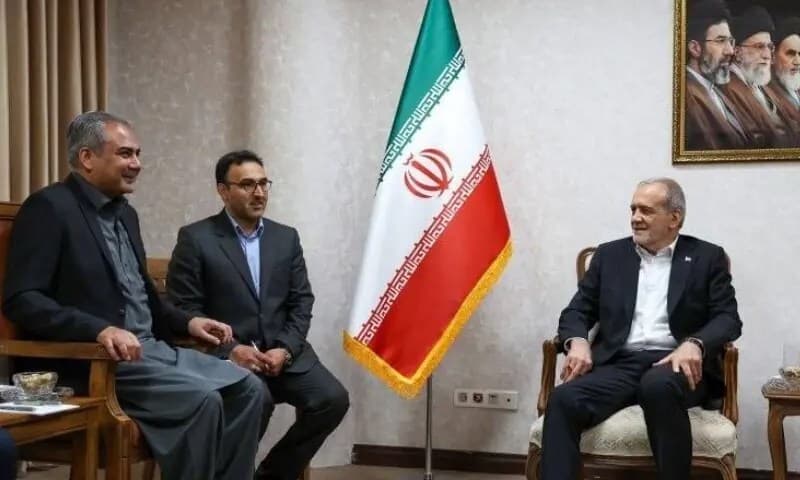
مزید برآں، اسی دوران فیلڈ مارشل سید عاصم منیر، چیف آف آرمی اسٹاف اور چیف آف ڈیفنس اسٹاف (CDF)، ثالثی کی جاری کوششوں کے ایک حصے کے طور پر تہران پہنچے ہیں۔ آمد پر ایرانی وزیر داخلہ اسکندر مومنی نے ان کا پرتپاک استقبال کیا۔ استقبالیہ میں وفاقی وزیر داخلہ محسن نقوی بھی موجود تھے۔ فیلڈ مارشل سید عاصم منیر اور وفاقی وزیر داخلہ محسن نقوی کا یہ دورہ تہران اس بات کا واضح ثبوت ہے کہ پاکستان اس نازک ترین مرحلے پر اپنی پوری عسکری اور سیاسی طاقت کے ساتھ اس سفارتی عمل کو حتمی شکل دینے کے لیے کوشاں ہے۔
یہ اعلیٰ سطح کی ملاقاتیں اس ڈرافٹ کو محض ایک کاغذی معاہدے سے نکال کر زمین پر نافذ کرنے کے لیے انتہائی اہم ہیں۔
اس دورے کی سٹریٹجک اہمیت اور نتائج درج ذیل اہم پہلوؤں پر مشتمل ہیں:
1۔ عسکری اور سیکیورٹی ضمانتیں (Military & Security Guarantees)
ایرانی عسکری قیادت سے روابط:
فیلڈ مارشل سید عاصم منیر کا بطور چیف آف آرمی اسٹاف اور چیف آف ڈیفنس اسٹاف تہران جانا ظاہر کرتا ہے کہ مذاکرات میں اب سیکیورٹی اور عسکری ضمانتوں (جیسے جنگ بندی پر عمل درآمد اور آبنائے ہرمز کی مانیٹرنگ) کو حتمی شکل دی جا رہی ہے۔پاک-ایران بارڈر سیکیورٹی:
اس دورے سے دونوں ممالک کے درمیان سرحدی سیکیورٹی اور انٹیلیجنس شیئرنگ کو مزید مضبوط بنانے میں مدد ملے گی، تاکہ کوئی بھی تیسری طاقت اس امن عمل کو سبوتاژ نہ کر سکے۔
2۔ سیاسی اور انتظامی تال میل (Political Coordination)
وفاقی وزیر داخلہ کی موجودگی:
ایرانی وزیر داخلہ اسکندر مومنی کی جانب سے استقبال اور وفاقی وزیر داخلہ محسن نقوی کی موجودگی یہ ظاہر کرتی ہے کہ یہ مذاکرات صرف بیرونی سیکیورٹی تک محدود نہیں، بلکہ ان میں داخلی سلامتی، قیدیوں کے تبادلے، اور سرحد پار آمدورفت کے مشترکہ میکانزم پر بھی بات چیت ہو رہی ہے۔
3۔ فائنل ڈرافٹ کی منظوری (Finalizing the Deal)
واشنگٹن اور تہران کے درمیان پل:
پاکستانی قیادت کا یہ دورہ امریکی وزیر خارجہ مارکو روبیو اور صدر ٹرمپ کے حالیہ بیانات کے فوراً بعد ہوا ہے۔
یہ اس بات کی طرف اشارہ ہے کہ پاکستان امریکی پیغامات اور شرائط کو براہِ راست ایرانی قیادت تک پہنچا کر آخری رکاوٹوں کو دور کر رہا ہے تاکہ اگلے چند گھنٹوں میں ڈرافٹ کا رسمی اعلان ممکن ہو سکے۔
یہ دورہ ثابت کرتا ہے کہ پاکستان نے “اسلام آباد اکارڈ” کے لیے محض ایک میزبان کا نہیں، بلکہ ایک فعال اور متحرک ضامن (Active Guarantor) کا کردار اختیار کر لیا ہے۔
مزید برآں، اسی دوران فیلڈ مارشل سید عاصم منیر، چیف آف آرمی اسٹاف اور چیف آف ڈیفنس اسٹاف (CDF)، ثالثی کی جاری کوششوں کے ایک حصے کے طور پر تہران پہنچے ہیں۔ آمد پر ایرانی وزیر داخلہ اسکندر مومنی نے ان کا پرتپاک استقبال کیا۔ استقبالیہ میں وفاقی وزیر داخلہ محسن نقوی بھی موجود تھے۔ فیلڈ مارشل سید عاصم منیر اور وفاقی وزیر داخلہ محسن نقوی کا یہ دورہ تہران اس بات کا واضح ثبوت ہے کہ پاکستان اس نازک ترین مرحلے پر اپنی پوری عسکری اور سیاسی طاقت کے ساتھ اس سفارتی عمل کو حتمی شکل دینے کے لیے کوشاں ہے۔
یہ اعلیٰ سطح کی ملاقاتیں اس ڈرافٹ کو محض ایک کاغذی معاہدے سے نکال کر زمین پر نافذ کرنے کے لیے انتہائی اہم ہیں۔
اس دورے کی سٹریٹجک اہمیت اور نتائج درج ذیل اہم پہلوؤں پر مشتمل ہیں:
1۔ عسکری اور سیکیورٹی ضمانتیں (Military & Security Guarantees)
ایرانی عسکری قیادت سے روابط:
فیلڈ مارشل سید عاصم منیر کا بطور چیف آف آرمی اسٹاف اور چیف آف ڈیفنس اسٹاف تہران جانا ظاہر کرتا ہے کہ مذاکرات میں اب سیکیورٹی اور عسکری ضمانتوں (جیسے جنگ بندی پر عمل درآمد اور آبنائے ہرمز کی مانیٹرنگ) کو حتمی شکل دی جا رہی ہے۔پاک-ایران بارڈر سیکیورٹی:
اس دورے سے دونوں ممالک کے درمیان سرحدی سیکیورٹی اور انٹیلیجنس شیئرنگ کو مزید مضبوط بنانے میں مدد ملے گی، تاکہ کوئی بھی تیسری طاقت اس امن عمل کو سبوتاژ نہ کر سکے۔
2۔ سیاسی اور انتظامی تال میل (Political Coordination)
وفاقی وزیر داخلہ کی موجودگی:
ایرانی وزیر داخلہ اسکندر مومنی کی جانب سے استقبال اور وفاقی وزیر داخلہ محسن نقوی کی موجودگی یہ ظاہر کرتی ہے کہ یہ مذاکرات صرف بیرونی سیکیورٹی تک محدود نہیں، بلکہ ان میں داخلی سلامتی، قیدیوں کے تبادلے، اور سرحد پار آمدورفت کے مشترکہ میکانزم پر بھی بات چیت ہو رہی ہے۔
3۔ فائنل ڈرافٹ کی منظوری (Finalizing the Deal)
واشنگٹن اور تہران کے درمیان پل:
پاکستانی قیادت کا یہ دورہ امریکی وزیر خارجہ مارکو روبیو اور صدر ٹرمپ کے حالیہ بیانات کے فوراً بعد ہوا ہے۔
یہ اس بات کی طرف اشارہ ہے کہ پاکستان امریکی پیغامات اور شرائط کو براہِ راست ایرانی قیادت تک پہنچا کر آخری رکاوٹوں کو دور کر رہا ہے تاکہ اگلے چند گھنٹوں میں ڈرافٹ کا رسمی اعلان ممکن ہو سکے۔
یہ دورہ ثابت کرتا ہے کہ پاکستان نے “اسلام آباد اکارڈ” کے لیے محض ایک میزبان کا نہیں، بلکہ ایک فعال اور متحرک ضامن (Active Guarantor) کا کردار اختیار کر لیا ہے۔ایرانی عسکری اور سیکیورٹی اداروں (بشمول پاسدارانِ انقلاب اور وزارتِ دفاع) کا پاکستانی عسکری قیادت کے اس ہائی پروفائل دورے پر ردعمل انتہائی محتاط، تزویراتی (Strategic) اور دباؤ بڑھانے کی حکمتِ عملی پر مبنی ہے۔ ایرانی میڈیا ہاؤسز جیسے تسنیم (Tasnim) اور پریس ٹی وی کے مطابق، سیکیورٹی حلقے اس دورے کو امریکی دھمکیوں کے سامنے جھکنے کے بجائے ایک “برابر کی سطح پر مذاکرات” (Negotiation from a position of strength) کے طور پر دیکھ رہے ہیں۔ایرانی سیکیورٹی اداروں کے ردعمل کے اہم پہلو درج ذیل ہیں:1۔ پاسدارانِ انقلاب (IRGC) کا سخت مگر سفارتی موقف ;
حملوں کی صورت میں وسیع تر جنگ کی وارننگ:
ایرانی پاسدارانِ انقلاب نے فیلڈ مارشل سید عاصم منیر کی آمد کے دوران ہی واضح کیا کہ اگر امریکی صدر ڈونلڈ ٹرمپ کی ڈیڈ لائن کے بعد دوبارہ حملے شروع ہوئے، تو جنگ مغربی ایشیا (مشرقِ وسطیٰ) کی سرحدوں سے باہر تک پھیل جائے گی۔
سرپرائزز (Surprises) کا انتباہ:
ایرانی وزیرِ خارجہ عباس عراقچی اور عسکری کمانڈروں نے واضح کیا ہے کہ وہ امن چاہتے ہیں لیکن اگر جنگ دوبارہ مسلط کی گئی تو ایران کے پاس دشمن کے لیے کئی نئے سرپرائزز موجود ہوں گے۔
2۔ آبنائے ہرمز پر کنٹرول اور خودمختاری کا اصرارکلیئرنس اور فیس کا مطالبہ:
ایرانی سیکیورٹی حکام کا اصرار ہے کہ آبنائے ہرمز (Strait of Hormuz) سے کسی بھی بحری جہاز کے گزرنے کے لیے پرشین گلف اسٹریٹ اتھارٹی سے منظوری لازم ہوگی۔ ایرانی عسکری ادارے اس اہم تجارتی راستے پر اپنا کنٹرول برقرار رکھنے کو ملکی خودمختاری کا مسئلہ قرار دے رہے ہیں۔
امریکی دعووں کی تردید: ایرانی جوائنٹ ملٹری کمانڈ نے امریکی بحریہ کے ان دعووں کو مسترد کر دیا ہے جس میں کہا گیا تھا کہ انہوں نے آبنائے ہرمز میں بارودی سرنگیں صاف کرنے کے لیے حالات سازگار بنا لیے ہیں۔
3۔ پاکستان کے کردار کی اہمیت کا اعتراف قابلِ اعتماد رابطہ کار:
ایرانی سیکیورٹی اور انٹیلیجنس حکام پاکستانی چیف آف ڈیفنس اسٹاف کو ایک سنجیدہ اور بااثر ثالث کے طور پر دیکھ رہے ہیں، جو تہران کے حقیقی تحفظات (جیسے پابندیوں کا فوری خاتمہ اور منجمد اثاثوں کی بحالی) کو واشنگٹن تک من و عن پہنچانے کی صلاحیت رکھتے ہیں۔
ٹرمپ کے دباؤ کا جواب:
ایرانی عسکری کمانڈرز صدر ٹرمپ کے اس بیان کو گیدڑ بھبکی قرار دے رہے ہیں جس میں انہوں نے کہا تھا کہ مذاکرات “بارڈر لائن” پر ہیں، اور ان کا ماننا ہے کہ پاکستان کی یہ “آخری سفارتی کوشش” (Final Push) دونوں ممالک کو ایک بڑی تباہی سے بچا سکتی ہے۔
سفارتی ذرائع کے مطابق مجوزہ اسلام آباد اکارڈ” ڈرافٹ میں فوری جنگ بندی، آبنائے ہرمز سے جہازوں کی آزاد آمدورفت اور ایران پر عائد پابندیاں بتدریج ختم کرنے کی شقیں شامل ہیں۔پاکستان کی کامیاب ثالثی کے چند اہم پہلو درج ذیل ہیں:
پاکستانی سفارت کاری دونوں طرف اعتماد:
پاکستان کے بیک وقت واشنگٹن اور تہران دونوں کے ساتھ گہرے روابط ہیں، جس کی وجہ سے وہ دونوں فریقین کے لیے ایک قابلِ قبول ثالث کے طور پر سامنے آیا۔
علاقائی استحکام:
پاکستان کے لیے ایران کے ساتھ اس کی سرحد اور امن و امان کی صورتِ حال انتہائی اہم ہے، اس لیے اس جنگ بندی کا براہِ راست فائدہ پاکستان کی اپنی داخلی اور معاشی سلامتی کو بھی ہوگا۔
عالمی ساکھ میں اضافہ:
اس تاریخی “اسلام آباد اکارڈ” کے ڈرافٹ کی تکمیل سے عالمی سطح پر پاکستان کی سفارتی اہمیت اور بحرانوں کو حل کرنے کی صلاحیت کا لوہا مانا جا رہا ہے۔
ایران اور امریکا کے درمیان جاری سفارتی رابطوں میں اہم پیش رفت سامنے آئی ہے اور دونوں ممالک کے درمیان معاہدے کا فائنل ڈرافٹ تیار کر لیا گیا ہے۔
“اسلام آباد اکارڈ” (Islamabad Accord) کے ڈرافٹ میں فوری طور پر جنگ روکنے کی شرط شامل کی گئی ہے، جب کہ آبنائے ہرمز سے جہازوں کی آمدورفت پر عائد پابندیاں بھی ختم کرنے پر اتفاق کیا گیا ہے۔
سفارتی ذرائع کا کہنا ہے کہ ایران پر عائد بین الاقوامی پابندیوں کو مرحلہ وار ختم کیا جائے گا، جس کے لیے آئندہ مراحل میں مزید مذاکرات بھی ہوں گے۔
رپورٹ کے مطابق چند گھنٹوں کے اندر “اسلام آباد اکارڈ” (Islamabad Accord) کے ڈرافٹ کی تکمیل کا اعلان کیے جانے کا امکان ہے۔ سفارتی ذرائع نے بتایا کہ آئندہ سات روز کے دوران دیگر اہم معاملات کو حتمی شکل دینے کے لیے مزید بات چیت کی جائے گی، جب کہ ممکنہ تنازعات کے حل اور معاہدے پر عمل درآمد کی نگرانی کے لیے مشترکہ مانیٹرنگ کمیٹی بھی قائم کی جائے گی۔ یہ پیش رفت ایسے وقت میں سامنے آئی ہے جب خطے میں کشیدگی، آبنائے ہرمز کی صورتِ حال اور عالمی توانائی منڈی کے حوالے سے خدشات میں اضافہ دیکھا جا رہا تھا قبل ازیں، امریکی وزیر خارجہ مارکو روبیو نے بھی کہا تھا کہ ایران کے ساتھ مذاکرات کے حوالے سے پیش رفت ہوئی ہے، مذاکرات میں کچھ مثبت اشارے مل رہے ہیں۔ انہوں نے تصدیق کی تھی کہ پاکستانی حکام ثالثی کی کوششوں کے سلسلے میں تہران کا دورہ کر رہے ہیں، امید ہے کہ پاکستانی حکام کے دورے سے یہ عمل مزید آگے بڑھے گا۔
اسی دوران امریکی صدر ڈونلڈ ٹرمپ نے کہا تھا کہ ایران سے بات چیت جاری ہے، تنازع جلد ختم ہوجائے گا، تہران ایران معاہدے پر آمادہ نہ ہوا تو تباہ کن ایکشن ہوگا، یورینیم کو ایران سے لے کر تباہ کردیا جائے گا۔ صدر ٹرمپ نے مزید کہاتھا کہ آبنائے ہرمز پر ہمارا مکمل کنٹرول ہے، چاہتے ہیں آبنائے ہرمز بغیر کسی پابندی اور فیس کے کھلے، ہماری اجازت کے بغیر کوئی جہازنہ ایران جا رہا ہے نہ آرہا ہے۔
ایران اور امریکا کے درمیان اہم معاہدے کا ڈرافٹ فائنل ہونے کی اطلاعات ہیں۔معاہدے کے اہم ترین نکات;
فوری جنگ بندی:
دونوں ممالک کے درمیان جاری فوجی کشیدگی اور حملوں کو فوری طور پر روکنے کی شرط ڈرافٹ کا حصہ ہے۔آبنائے ہرمز کی بحالی: آبنائے ہرمز (Strait of Hormuz) سے بحری جہازوں کی آزادانہ اور بلا تعطل آمدورفت کو یقینی بنایا جائے گا اور عائد پابندیاں ختم کی جائیں گی۔
پابندیوں میں نرمی:
ایران پر عائد بین الاقوامی اور امریکی اقتصادی پابندیوں کو مرحلہ وار (Step-by-Step) ختم کیا جائے گا، جس کے لیے مستقبل میں مزید مذاکرات ہوں گے۔
مشترکہ مانیٹرنگ کمیٹی:
معاہدے پر عمل درآمد کی نگرانی اور ممکنہ تنازعات کو حل کرنے کے لیے ایک مشترکہ کمیٹی تشکیل دی جائے گی۔
پسِ منظر اور اہم بیانات;
پاکستانی ثالثی:
یہ بریک تھرو پاکستانی حکام کے حالیہ تہران اور واشنگٹن کے دوروں اور مسلسل ثالثی کے بعد ممکن ہوا ہے۔
امریکی وزیر خارجہ (مارکو روبیو): انہوں نے پاکستانی کوششوں کو سراہتے ہوئے تصدیق کی تھی کہ مذاکرات میں مثبت اشارے مل رہے ہیں۔
امریکی صدر ڈونلڈ ٹرمپ کا موقف:
صدر ٹرمپ نے ایک طرف تنازع کے جلد خاتمے کی امید ظاہر کی تھی، تو دوسری طرف ایران کے یورینیم پروگرام کی منتقلی اور آبنائے ہرمز پر امریکی کنٹرول جیسے سخت مطالبات بھی سامنے رکھے تھے تاکہ ایران پر دباؤ برقرار رہے۔
سفارتی ذرائع کے مطابق اس تاریخی ڈرافٹ کا رسمی اعلان اگلے چند گھنٹوں میں متوقع ہے، جس کے بعد اگلے 7 دنوں میں بقیہ تکنیکی معاملات کو حتمی شکل دی جائے گی۔ یہ اکارڈ عالمی توانائی کی مارکیٹ (Oil Market) اور مشرقِ وسطیٰ میں امن کے لیے ایک بہت بڑی کامیابی ثابت ہو سکتا ہے۔
اگلا مرحلہ اور چیلنجز;
اگرچہ ڈرافٹ فائنل ہونا ایک بہت بڑی کامیابی ہے، لیکن اب اصل امتحان ان نکات پر عمل درآمد کا ہوگا:
پابندیوں کا خاتمہ: کیا امریکہ ایران پر سے پابندیاں اتنی ہی تیزی سے ہٹائے گا جس کی ایران کو توقع ہے؟
جوہری پروگرام کی نگرانی:
صدر ٹرمپ کے یورینیم سے متعلق سخت مطالبات کو ڈرافٹ میں کس طرح متوازن کیا گیا ہے؟
مشترکہ مانیٹرنگ: آئندہ 7 دنوں میں بننے والی مشترکہ کمیٹی ان دونوں روایتی حریفوں کو معاہدے کی پاسداری پر کیسے مجبور رکھے گی؟
امریکی اور ایرانی میڈیا کا “اسلام آباد اکارڈ” کے فائنل ڈرافٹ پر ابتدائی ردعمل ملا جلا ہے،
جہاں امریکی ذرائع ابلاغ اسے صدر ٹرمپ کی سخت گیر حکمتِ عملی کی کامیابی قرار دے رہے ہیں، وہیں ایرانی میڈیا اسے اپنی مزاحمت اور خودمختاری کی فتح کے طور پر پیش کر رہا ہے۔
امریکی میڈیا کا ردعمل (US Media Response);
ٹرمپ کی فتح کا بیانیہ: سی این این (CNN) اور اکسیوس (Axios) جیسے معتبر امریکی اداروں کے مطابق، واشنگٹن اس ڈرافٹ کو صدر ٹرمپ کی “میکسیمل پریشر” (شدید دباؤ) اور جارحانہ سفارت کاری کا نتیجہ قرار دے رہا ہے۔
جوہری پروگرام پر توجہ:
امریکی میڈیا اس بات کو نمایاں کر رہا ہے کہ ایران کو افزودہ یورینیم کے ذخائر کی منتقلی اور ایٹمی پروگرام پر سخت امریکی شرائط تسلیم کرنا پڑی ہیں۔
آبنائے ہرمز کی بحالی:
امریکی تجزیہ کاروں کا کہنا ہے کہ آبنائے ہرمز کا غیر مشروط طور پر کھلنا اور امریکی بحریہ کا کنٹرول برقرار رہنا عالمی معیشت اور توانائی مارکیٹ کے لیے واشنگٹن کی بڑی کامیابی ہے۔
ایرانی میڈیا کا ردعمل (Iranian Media Response)
پابندیوں کے خاتمے پر جشن:
ایران کے سرکاری میڈیا، بشمول ایرانی مہر نیوز ایجنسی اور پریس ٹی وی، نے اس بات پر سب سے زیادہ توجہ مرکوز کی ہے کہ یہ معاہدہ ایران پر عائد اقتصادی پابندیوں کو مرحلہ وار مکمل طور پر ختم کرنے کی ضمانت دیتا ہے۔
فوجی طاقت کا اعتراف:
ایرانی فوجی حلقوں کے قریب سمجھے جانے والے میڈیا آؤٹ لیٹس (جیسے فارس نیوز) کا کہنا ہے کہ امریکہ ایران کی میزائل اور عسکری صلاحیت کو مفلوج کرنے میں ناکام رہا، جس کے بعد وہ اس جنگ سے ایک “باعزت واپسی” کا راستہ تلاش کرنے پر مجبور ہوا ہے۔

فوجی طاقت کا اعتراف:
ایرانی فوجی حلقوں کے قریب سمجھے جانے والے میڈیا آؤٹ لیٹس (جیسے فارس نیوز) کا کہنا ہے کہ امریکہ ایران کی میزائل اور عسکری صلاحیت کو مفلوج کرنے میں ناکام رہا، جس کے بعد وہ اس جنگ سے ایک “باعزت واپسی” کا راستہ تلاش کرنے پر مجبور ہوا ہے۔
قومی خودمختاری کا تحفظ:
ایرانی میڈیا اس بات پر اصرار کر رہا ہے کہ تہران نے اپنی ریڈ لائنز پر کوئی سمجھوتہ نہیں کیا اور مستقل جنگ بندی کی صورت میں ہی آبنائے ہرمز سے جہازوں کو جانے کی اجازت دی جائے گی۔بین الاقوامی میڈیا اور پاکستان کا کردار;
عالمی خبر رساں ادارے رائٹرز (Reuters) اور الجزیرہ (Al Jazeera) نے اس ڈرافٹ کی تکمیل میں پاکستان کے بیک چینل سفارتی کردار کو خاص طور پر سراہا ہے۔
بین الاقوامی تجزیہ کاروں کا کہنا ہے کہ پاکستان نے دونوں حریفوں کے سخت مطالبات کے درمیان توازن پیدا کر کے خطے کو ایک بڑی تباہی سے بچا لیا ہے
ترجمان وزارت خارجہ نے کہا ہے کہ پاکستان مشرق وسطیٰ میں کشیدگی کے خاتمے کے لیے کردار ادا کر رہا ہے۔
اسی دوران ترجمان دفتر خارجہ پاکستان طاہر حسین اندرابی نے کہا ہے کہ پاکستان نہ صرف خطے میں امن کا خواہاں ہے بلکہ عالمی قوانین، کشمیر، پانی اور دہشت گردی سمیت اہم معاملات پر بھی اپنا مؤقف بھرپور انداز میں دنیا کے سامنے رکھ رہا ہے۔
ترجمان دفتر خارجہ نے ہفتہ وار نیوز بریفنگ میں کہا کہ وزیر داخلہ نے ایران کے دو اہم دورے کیے جہاں ایرانی قیادت کے ساتھ اہم ملاقاتیں ہوئیں۔ ان ملاقاتوں میں دوطرفہ تعلقات، علاقائی صورتحال اور سیکیورٹی امور پر تفصیلی تبادلہ خیال کیا گیا۔ کسی اعلیٰ پاکستانی وفد کے ممکنہ دورۂ ایران سے متعلق خبروں سے آگاہ نہیں، اس لیے ایسی اطلاعات کی نہ تصدیق کی جا سکتی ہے اور نہ تردید۔ ترجمان نے امریکی وزیر خارجہ مارکو روبیو کے بیانات سے متعلق سوال پر کہا کہ وہ بیانات وزیر داخلہ کے دورۂ ایران کے تناظر میں تھے، کسی اور شخصیت یا وفد کے حوالے سے نہیں۔
طاہر حسین اندرابی نے کہا کہ نائب وزیراعظم کو امن عمل سے سائیڈ لائن کرنے کے تاثرات کو سختی سے مسترد کرتے ہیں۔ان کا کہنا تھا کہ امن عمل کو کسی ایک ادارے یا شخصیت کے تناظر میں نہیں دیکھا جانا چاہیے بلکہ وزیراعظم، فیلڈ مارشل، نائب وزیراعظم اور وزیر داخلہ سب مل کر کوششیں کر رہے ہیں۔ انہوں نے کہا کہ پاکستان ایرانی قیادت سے مسلسل رابطے میں ہے اور یہ رابطے ہمسایہ ممالک کے ساتھ سفارتی تعلقات کا حصہ ہیں۔ ترجمان کے مطابق پاکستان امریکا اور ایران کے درمیان امن عمل میں سہولت کاری بھی فراہم کر رہا ہے۔ ترجمان نے امریکی حملے کیلئے پاکستان سے فضائی حدود مانگنے کے تاثر کو بھی مسترد کرتے ہوئے واضح کیا کہ ایسا کوئی مطالبہ پاکستان کے سامنے نہیں رکھا گیا۔
اس دوران امریکی سینیٹ نے صدر ڈونلڈ ٹرمپ کی ایران پالیسی کو بڑا جھٹکا دیتے ہوئے ایک ایسی قرارداد منظور کی ہے جس کے تحٹ کانگریس کی منظوری کے بغیر ایران کے خلاف جنگ جاری رکھنا غیر قانونی ہوگا۔
یہ قرارداد، جو امریکی آئین کے مطابق فوج کو جنگ میں بھیجنے کا اختیار صرف کانگریس کو دینے کی وکالت کرتی ہے، سینیٹ میں 50 ووٹوں کے مقابلے میں 47 ووٹوں سے منظور کی گئی۔اگر یہ قرارداد کانگریس سے بھی منظور ہو جاتی ہے، تو صدر ٹرمپ کے ممکنہ ویٹو کو غیر مؤثر کرنے کے لیے دونوں ایوانوں میں دو تہائی اکثریت کی ضرورت ہوگی، جو فی الحال مشکل نظر آتا ہے۔
قرارداد کے اسپانسر، ورجینیا کے ڈیموکریٹ سینیٹر ٹم کین نے بحث کے دوران کہا کہ ”یہ جنگ سے پہلے بحث کرنے کا بہترین وقت ہے۔“
ان کا اشارہ صدر ٹرمپ کے اس بیان کی طرف تھا کہ تہران نے جنگ ختم کرنے کے لیے ایک نئی تجویز پیش کی ہے۔ سینیٹر کین نے مزید کہا، ”صدر امن اور سفارتی تجاویز موصول کر رہے ہیں جنہیں وہ ہمارے ساتھ شیئر کیے بغیر ردی کی ٹوکری میں پھینک رہے ہیں۔“
میڈیا رپورٹس کے مطابق، اس جنگ نے نہ صرف امریکا بلکہ دنیا بھر کی معیشتوں کو نصف ٹریلین ڈالر کا جھٹکا دیا ہے۔خلاصہ یہ ہے کہ ایرانی سیکیورٹی ادارے پاکستان کی ثالثی کا خیرمقدم تو کر رہے ہیں، لیکن ساتھ ہی امریکہ کو یہ پیغام بھی دے رہے ہیں کہ وہ کسی بھی قسم کے یکطرفہ یا جارحانہ دباؤ کے تحت “اسلام آباد اکارڈ” پر دستخط نہیں کریں گے۔
Mediation by Field Marshal Syed Asim Munir; USA, Iran; Islamabad Accord Draft Finalized,
(Asghar Ali Mubarak)
As a result of Pakistan’s behind-the-scenes, ongoing diplomatic efforts, the US and Iran have finally agreed to a formal framework.
The US and Iran have finalized the draft of the basic framework of the historic “Islamabad Accord” after continuous mediation by Pakistan.
Furthermore, in the meantime, Field Marshal Syed Asim Munir, Chief of Army Staff and Chief of Defense Staff (CDF), has arrived in Tehran as part of the ongoing mediation efforts. They were warmly welcomed by Iranian Interior Minister Eskandar Momeni upon arrival. Federal Interior Minister Mohsin Naqvi was also present at the reception. This visit of Field Marshal Syed Asim Munir and Federal Interior Minister Mohsin Naqvi to Tehran is clear evidence that Pakistan is trying to finalize this diplomatic process with all its military and political power at this most critical stage.
These high-level meetings are extremely important to take this draft from a mere paper agreement to implementing it on the ground.
The strategic significance and outcomes of the visit include the following key aspects:
1. Military & Security Guarantees
Links with Iranian military leadership:
Field Marshal Syed Asim Munir’s visit to Tehran as Chief of Army Staff and Chief of Defence Staff shows that security and military guarantees (such as implementation of ceasefire and monitoring of the Strait of Hormuz) are now being finalized in the talks. Pak-Iran Border Security:
The visit will help further strengthen border security and intelligence sharing between the two countries, so that no third party can sabotage this peace process.
2. Political and Administrative Coordination
Presence of Federal Interior Minister:
The reception by Iranian Interior Minister Eskandar Momeni and the presence of Federal Interior Minister Mohsin Naqvi show that these talks are not limited to external security only, but also include discussions on internal security, prisoner exchange, and joint mechanisms for cross-border movement.
3. Finalizing the Deal
Bridge between Washington and Tehran:
This visit by the Pakistani leadership comes on the heels of recent statements by US Secretary of State Marco Rubio and President Trump.
This is an indication that Pakistan is clearing the last hurdles by conveying US messages and conditions directly to the Iranian leadership so that the formal announcement of the draft can be made in the next few hours.
This visit proves that Pakistan has assumed the role of an active guarantor, not just a host, for the “Islamabad Accord”.
Moreover, in the meantime, Field Marshal Syed Asim Munir, Chief of Army Staff and Chief of Defense Staff (CDF), has arrived in Tehran as part of the ongoing mediation efforts. They were warmly welcomed by Iranian Interior Minister Eskandar Momeni upon arrival. Federal Interior Minister Mohsin Naqvi was also present at the reception. This visit by Field Marshal Syed Asim Munir and Federal Interior Minister Mohsin Naqvi to Tehran is clear proof that Pakistan is fully committed to this most critical juncture. The military and political powers are trying to finalize this diplomatic process.
These high-level meetings are crucial for transforming the draft from a paper agreement to a practical implementation.
The strategic importance and outcomes of this visit include the following key aspects:
1. Military & Security Guarantees
Links with Iranian military leadership:
Field Marshal Syed Asim Munir’s visit to Tehran as Chief of Army Staff and Chief of Defense Staff shows that security and military guarantees (such as implementation of the ceasefire and monitoring of the Strait of Hormuz) are now being finalized in the talks. Pak-Iran Border Security:
This visit will help in further strengthening border security and intelligence sharing between the two countries, so that no third power can sabotage this peace process.
2. Political and Administrative Coordination Presence of Federal Interior Minister:
Reception by Iranian Interior Minister Eskandar Momeni and the Federal. The presence of Interior Minister Mohsin Naqvi shows that these talks are not limited to external security, but are also discussing internal security, prisoner exchange, and joint mechanisms for cross-border movement.
3. Finalizing the Deal
A bridge between Washington and Tehran:
This visit by the Pakistani leadership comes on the heels of recent statements by US Secretary of State Marco Rubio and President Trump.
This indicates that Pakistan is clearing the final hurdles by conveying US messages and conditions directly to the Iranian leadership so that a formal announcement of the draft can be made in the next few hours. This visit proves that Pakistan has assumed the role of an active guarantor, not just a host, for the “Islamabad Accord”. The response of the Iranian military and security establishment (including the Revolutionary Guard Corps and the Ministry of Defense) to this high-profile visit of the Pakistani military leadership has been extremely cautious, strategic, and based on a pressure-building strategy. According to Iranian media houses such as Tasnim and Press TV, the security establishment is viewing the visit as a “negotiation from a position of strength” rather than bowing to US threats.
The key aspects of the Iranian security establishment’s response are as follows: 1. The tough but diplomatic stance of the Revolutionary Guard Corps (IRGC);
Warning of a wider war in the event of attacks:
The Iranian Revolutionary Guards made it clear during the arrival of Field Marshal Seyyed Asim Monir that if attacks resume after US President Donald Trump’s deadline, the war will spread beyond the borders of West Asia (the Middle East).
Warning of surprises:
Iranian Foreign Minister Abbas Araqchi and military commanders have made it clear that they want peace, but if war is imposed again, Iran will have many new surprises for the enemy.
2. Insist on control and sovereignty over the Strait of Hormuz. Demand for clearance and fees:
Iranian security officials insist that approval from the Persian Gulf Strait Authority will be required for any ship to pass through the Strait of Hormuz. Iranian military institutions are calling maintaining control over this important trade route a matter of national sovereignty.
Rejecting US claims: The Iranian Joint Military Command has rejected US Navy claims that it has created conditions conducive to clearing mines in the Strait of Hormuz.
3. Pakistan’s role acknowledged as a credible liaison:
Iranian security and intelligence officials see the Pakistani Chief of Defense Staff as a serious and influential mediator, capable of conveying Tehran’s genuine concerns (such as the immediate lifting of sanctions and the restoration of frozen assets) to Washington.
Response to Trump’s pressure:
Iranian military commanders are calling President Trump’s statement that the talks are at the “borderline” a “jackal’s bluff,” and they believe that this “final diplomatic push” by Pakistan could save both countries from a major catastrophe.
According to diplomatic sources, the draft of the proposed Islamabad Accord includes provisions for an immediate ceasefire, free passage of ships through the Strait of Hormuz, and a gradual lifting of sanctions on Iran. Some of the important aspects of Pakistan’s successful mediation are as follows:
Pakistani diplomacy: Trust on both sides:
Pakistan has deep ties with both Washington and Tehran, which has made it an acceptable mediator for both sides.
Regional stability:
For Pakistan, its border with Iran and the peace and order situation are extremely important, so this ceasefire will directly benefit Pakistan’s own internal and economic security.
Increase in global reputation:
The completion of this historic draft of the “Islamabad Accord” is being considered a beacon of Pakistan’s diplomatic importance and crisis-solving ability at the global level.
Significant progress has been made in the ongoing diplomatic relations between Iran and the United States, and the final draft of the agreement between the two countries has been prepared.
“Islamabad Accord” The draft of the Islamabad Accord includes a condition for an immediate cessation of hostilities, while it has also been agreed to lift restrictions on shipping through the Strait of Hormuz. Diplomatic sources say that international sanctions on Iran will be lifted in phases, for which further negotiations will be held in the coming stages. According to the report, the completion of the draft of the “Islamabad Accord” is likely to be announced within a few hours. Diplomatic sources said that further talks will be held in the next seven days to finalize other important issues, while a joint monitoring committee will also be established to resolve potential disputes and monitor the implementation of the agreement. This development has come at a time when tensions in the region, the situation in the Strait of Hormuz, and concerns about the global energy market were increasing. Earlier, US Secretary of State Marco Rubio had also said that progress had been made in the negotiations with Iran, and there were some positive signs in the negotiations. He confirmed that Pakistani officials are visiting Tehran in connection with the mediation efforts. It is hoped that the visit of Pakistani officials will further advance this process. At the same time, US President Donald Trump had said that talks with Iran are ongoing, the conflict will end soon, if Tehran is not ready for the Iran deal, there will be destructive action, uranium will be taken from Iran, and destroyed. President Trump had further said that we have complete control over the Strait of Hormuz, we want the Strait of Hormuz to be open without any restrictions and fees, and no ship is going to or coming from Iran without our permission. There are reports that the draft of an important agreement between Iran and the United States has been finalized. The most important points of the agreement;
Immediate ceasefire:
The condition for an immediate cessation of the ongoing military tensions and attacks between the two countries is part of the draft. Restoration of the Strait of Hormuz: Free and uninterrupted passage of ships through the Strait of Hormuz will be ensured, and the imposed sanctions will be lifted.
Sanctions easing:
International and US economic sanctions imposed on Iran will be lifted step by step, for which further negotiations will be held in the future.
Joint Monitoring Committee:
A joint committee will be formed to monitor the implementation of the agreement and resolve potential disputes.
Background and key statements;
Pakistani mediation:
This breakthrough has been possible after recent visits of Pakistani officials to Tehran and Washington and continuous mediation.
US Secretary of State (Marco Rubio): He appreciated Pakistani efforts and confirmed that there were positive signs in the talks.
US President Donald Trump’s position:
On the one hand, President Trump had expressed hope for an early end to the conflict, while on the other hand, he had also put forward tough demands such as the transfer of Iran’s uranium program and US control over the Strait of Hormuz to maintain pressure on Iran.
According to diplomatic sources, the formal announcement of this historic draft is expected in the next few hours, after which the remaining technical issues will be finalized in the next 7 days. This agreement could prove to be a huge success for the global energy market (Oil Market) and peace in the Middle East.
Next stage and challenges;
Although the finalization of the draft is a huge success, now the real test will be the implementation of these points:
Lifting sanctions: Will the US lift sanctions on Iran as quickly as Iran expects?
Nuclear Program Monitoring:
How are President Trump’s tough demands on uranium balanced in the draft?
Joint Monitoring: How will the joint committee, to be formed in the next 7 days, keep these two traditional rivals from adhering to the agreement?
The initial reaction of the US and Iranian media to the final draft of the “Islamabad Accord” is mixed,
While the US media is calling it a success of President Trump’s hardline strategy, the Iranian media is presenting it as a victory for its resistance and sovereignty.
US Media Response
Trump’s victory narrative: According to reputable US organizations such as CNN and Axios, Washington is calling the draft the result of President Trump’s “maximum pressure” and aggressive diplomacy.
Focus on the nuclear program:
The US media is highlighting that Iran has had to transfer its enriched uranium stockpile and accept strict US conditions on its nuclear program.
Restoration of the Strait of Hormuz:
American analysts say the unconditional opening of the Strait of Hormuz and the continued control of the US Navy is a major victory for Washington in the global economy and energy markets.
Iranian Media Response
Celebration of the lifting of sanctions:
Iranian state media, including the Iranian Mehr News Agency and Press TV, have focused most of their attention on the fact that the agreement guarantees the complete and gradual lifting of economic sanctions on Iran.
Recognition of military power:
Media outlets considered close to Iranian military circles (such as Fars News) say that the US has failed to cripple Iran’s missile and military capabilities, forcing it to find a way out of this war with “honorable withdrawal”.
Recognition of military power:
Media outlets considered close to Iranian military circles (such as Fars News) say that the US failed to cripple Iran’s missile and military capabilities, forcing it to find a way to “exit with dignity” from the war.
Safeguarding national sovereignty:
Iranian media insist that Tehran has not compromised on its red lines and that ships will only be allowed to pass through the Strait of Hormuz if there is a permanent ceasefire. International media and Pakistan’s role;
International news agencies Reuters and Al Jazeera have particularly praised Pakistan’s back-channel diplomatic role in the completion of the draft.
International analysts say that Pakistan has saved the region from a major catastrophe by balancing the harsh demands of the two rivals.
A Foreign Ministry spokesman has said that Pakistan is playing a role in reducing tensions in the Middle East.
Meanwhile, Pakistan’s Foreign Office Spokesperson Tahir Hussain Andrabi has said that Pakistan not only wants peace in the region but is also vigorously presenting its position to the world on important issues, including international law, Kashmir, water, and terrorism. The Foreign Office spokesperson said in a weekly news briefing that the Interior Minister made two important visits to Iran, where important meetings were held with the Iranian leadership. In these meetings, bilateral relations, regional situation, and security issues were discussed in detail. He is not aware of any news regarding the possible visit of a high-ranking Pakistani delegation to Iran, so such information can neither be confirmed nor denied. When asked about the statements of US Secretary of State Marco Rubio, the spokesperson said that those statements were in the context of the Interior Minister’s visit to Iran, not in relation to any other personality or delegation. Tahir Hussain Andrabi said that he strongly rejects the impression of sidelining the Deputy Prime Minister from the peace process. He said that the peace process should not be seen in the context of any single institution or personality, but the Prime Minister, Field Marshal, Deputy Prime Minister, and Interior Minister are all making joint efforts. He said that Pakistan is in constant contact with the Iranian leadership, and these contacts are part of diplomatic relations with neighboring countries. According to the spokesperson, Pakistan is also facilitating the peace process between the US and Iran. The spokesperson also rejected the impression that Pakistan was being asked for airspace for the US attack, clarifying that no such demand was made to Pakistan.
Meanwhile, the US Senate has passed a resolution in a major blow to President Donald Trump’s Iran policy, under which it would be illegal to continue the war against Iran without the approval of Congress.
The resolution, which advocates that only Congress has the authority to send the military to war according to the US Constitution, was passed in the Senate by 50 votes to 47 votes. If this resolution is also passed by Congress, a two-thirds majority in both houses would be needed to override President Trump’s possible veto, which currently looks difficult.
The sponsor of the resolution, Virginia Democrat Senator Tim Kaine, said during the debate that “this is the best time to discuss before the war.”
He was referring to President Trump’s statement that Tehran has presented a new proposal to end the war. Senator Kaine added, “The president is receiving peace and diplomatic proposals that he is throwing in the trash without sharing with us.”
According to media reports, this war has caused a shock of half a trillion dollars not only to the US but also to the economies of the world. In short, Iranian security agencies are welcoming Pakistan’s mediation, but at the same time, they are sending a message to the US that they will not sign the “Islamabad Accord” under any kind of unilateral or aggressive pressure.


